Hands Down Animals · Printable fact sheet
Dog
Canis lupus familiaris
Quick facts
| Scientific name | Canis lupus familiaris |
|---|---|
| Size | Height at shoulder: 15 cm (Chihuahua) to 80 cm (Irish Wolfhound) |
| Weight | 1 kg (smallest) to 110 kg (largest breeds, e.g. English Mastiff) |
| Lifespan | 10-13 years (average), up to 29 years (recorded) |
| Diet | Omnivorous; diets include commercial dog food, meat, grains, vegetables, and sometimes scavenged human food. |
| Habitat | Urban areas, Suburban neighborhoods, Rural villages |
| Where it lives | North America, South America, Europe, Africa |
| IUCN status | Domesticated (Not Evaluated by IUCN) |
| Population | 900,000,000 - 1,000,000,000 |
| Top speed | 45 km/h |
| Family | Canidae |
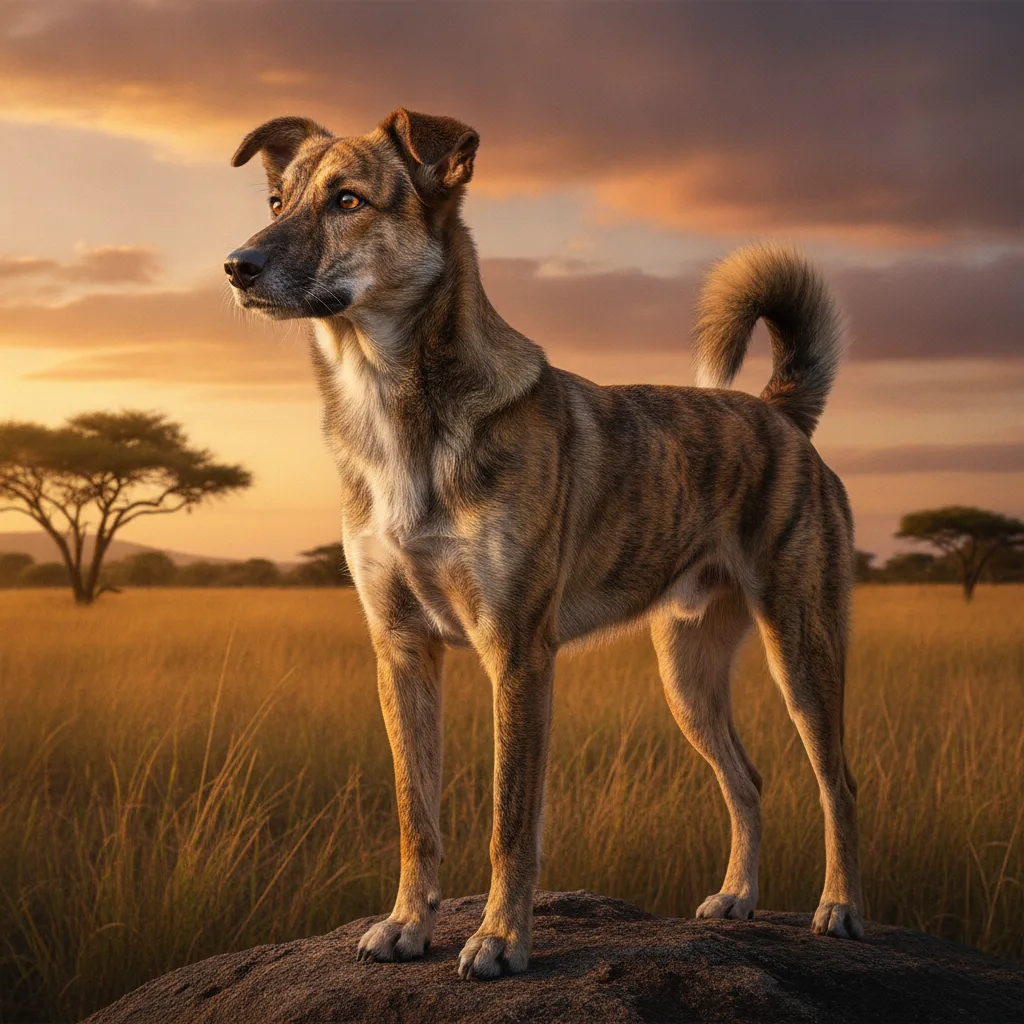
About the dog
Domestic dogs descend from grey wolves and were domesticated at least 15,000 years ago, making them the first animal humans tamed. Selective breeding has produced more than 300 recognised breeds, from the chihuahua to the Great Dane — more variation in size and shape than in any other mammal species. There are close to a billion dogs worldwide, and most of them live free-ranging rather than as pets.
Five things to know
- Domestic dogs are the most diverse land mammal on Earth, with over 340 recognized breeds.
- Dogs were domesticated from gray wolves over 15,000 years ago.
- Dogs can detect scents up to 100,000 times better than humans.
- Some breeds, like the Greyhound, can sprint up to 45 km/h.
- The Basenji is a dog breed that does not bark, but yodels.
Homeschool unit: Animals homeschool guide — Habitats, adaptations and food chains as a graded unit, with the dog as one of its worked examples.