Animals of the Americas for kids: 14 species to research
The Americas run from the Arctic to Cape Horn and hold almost every habitat on Earth, so the animals here are a wide mix. The jaguar, the largest cat of the Americas, has the strongest bite of any big cat for its size and hunts caimans in the Amazon; the capybara, the world's largest rodent, grazes the same riverbanks. Sloths move so slowly that algae grows in their fur; toucans and hummingbirds fill the forests with colour; and poison dart frogs warn predators with bright skin. Further north, bison once numbered tens of millions on the Great Plains and fell to a few hundred before recovering, moose wade the lakes of Canada, and alligators live in the wetlands of the southeastern United States. Raccoons have moved into the cities, and each autumn monarch butterflies fly up to 4,800 kilometres from Canada and the US to a few mountain forests in Mexico. Flamingos and tarantulas round out a continent-spanning list.
Research pages
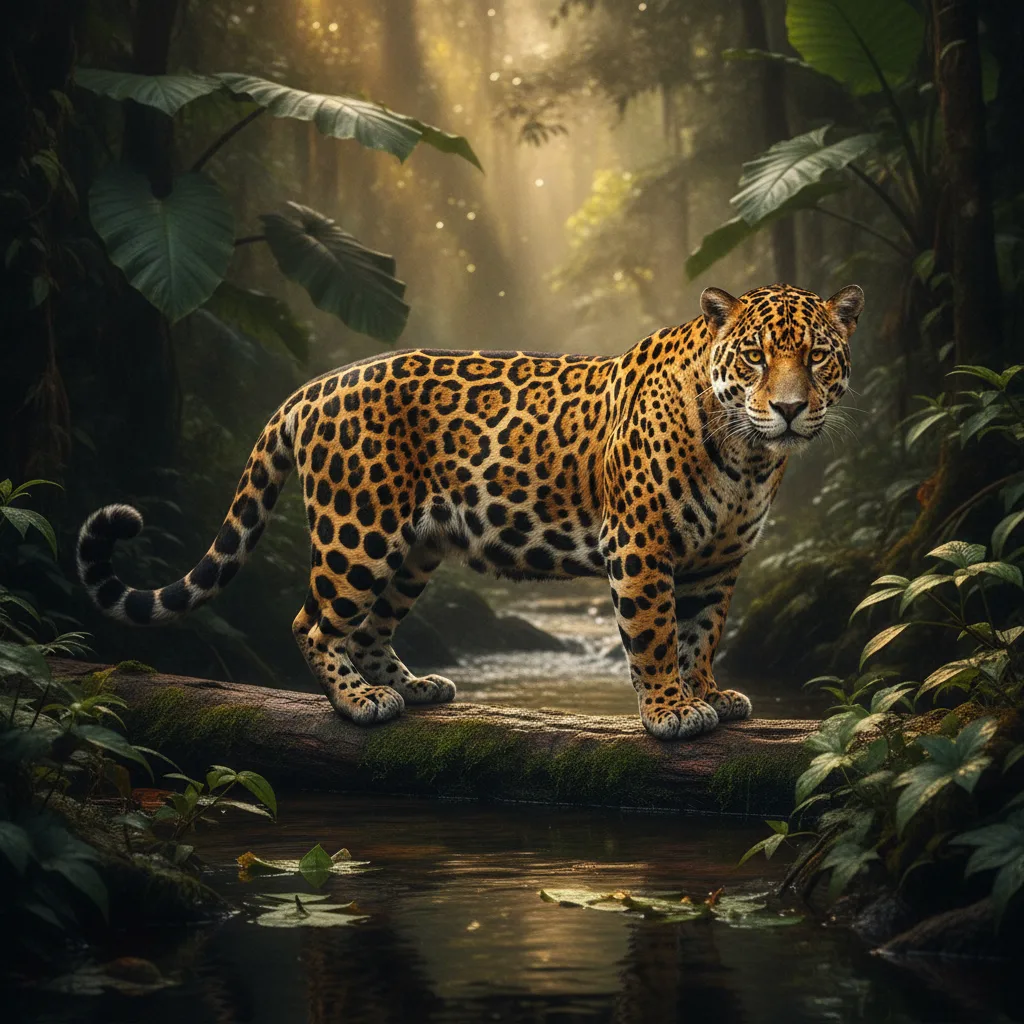
Jaguar
The jaguar is the largest cat in the Americas and the only living member of the genus Panthera there, ranging from Mexico to northern Argentina with its stronghold in the…
Sloth
Sloths hang from the branches of Central and South American rainforests, moving so slowly that algae grows in their fur and gives it a greenish tint. The six species …
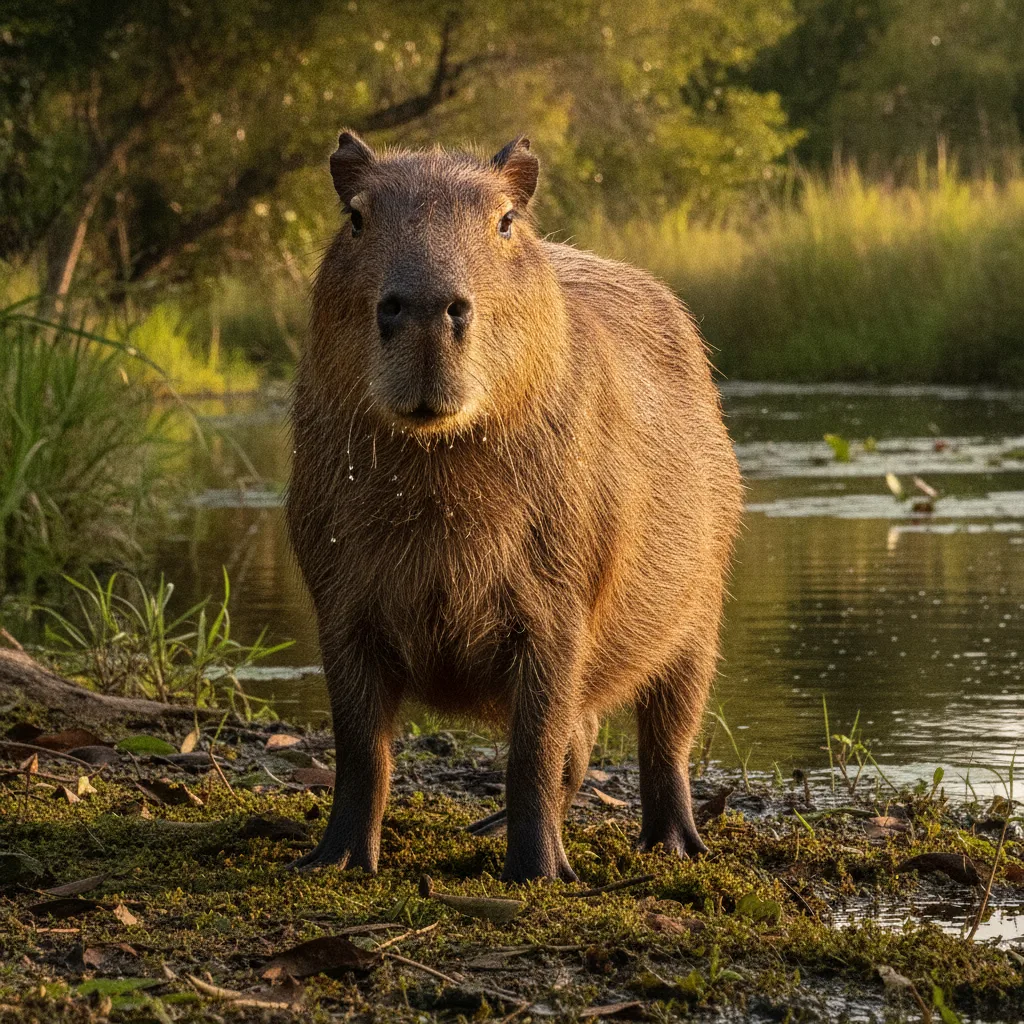
Capybara
The capybara is the world's largest rodent, weighing up to 65 kilograms, and it lives in groups beside rivers, lakes and marshes across much of South America. Its eyes, ears…
Axolotl
The axolotl is a salamander found naturally in just one place: the canals and wetlands of Lake Xochimilco on the southern edge of Mexico City. It keeps its feathery external…
Alligator
Alligators live in the freshwater rivers, swamps and marshes of the southeastern United States and, in the case of the much rarer Chinese alligator, a small area of the lower…
Hummingbird
Hummingbirds are found only in the Americas, where more than 360 species range from Alaska to Tierra del Fuego, with the greatest variety in the Andes. They are the only…
Flamingo
Flamingos wade in shallow salt lakes and lagoons across Africa, southern Europe, South Asia and the Americas, often in colonies of thousands and, at East Africa's soda lakes, more than…
Raccoon
Raccoons are native to North and Central America and have spread, through escapes and releases, into much of Europe and Japan. Their front paws are almost as sensitive as human…
Bison
The American bison is the heaviest land animal in North America, with bulls weighing up to about a tonne, and tens of millions once grazed the Great Plains before market…
Moose
The moose is the largest deer in the world, with Alaskan bulls standing over 2 metres at the shoulder and carrying antlers that can span 1.8 metres. It lives in…
Toucan
Toucans are birds of the forests of Central and South America, and the toco toucan's orange bill, nearly a third of its body length, is the largest of any bird…
Poison Dart Frog
Poison dart frogs live on the floor of the rainforests of Central and South America, and their bright colours — yellow, blue, red, green — warn predators that their skin…
Monarch Butterfly
Monarch butterflies make one of the longest insect migrations on Earth: each autumn, monarchs from across eastern North America fly up to 4,800 kilometres to a few mountain forests in…
Tarantula
Tarantulas are large, hairy spiders of the warm regions of the Americas, Africa, Asia and Australia, and the roughly 1,000 species include the goliath birdeater of South America, whose legs…