Ocean animals for kids: 23 sea animals to research
The ocean covers 71% of Earth and holds most of its living space, and the animals in it range from jellyfish with no brain to the blue whale, the largest animal that has ever lived. Whales, dolphins, sea otters and walruses are mammals that breathe air and must surface to do it; sea turtles are reptiles that come ashore only to lay eggs; penguins are birds that fly underwater; and sharks, seahorses and manta rays are fish. Many make huge journeys — humpback whales swim up to 8,000 kilometres each way between feeding and breeding waters, and leatherback turtles cross entire oceans. Echolocation lets dolphins and orcas find prey in dark water, and narwhals and belugas spend the winter under Arctic pack ice. Overfishing, warming seas and plastic threaten many of these species: more than a third of sharks and rays are threatened with extinction, and the vaquita porpoise is down to around ten animals.
Research pages
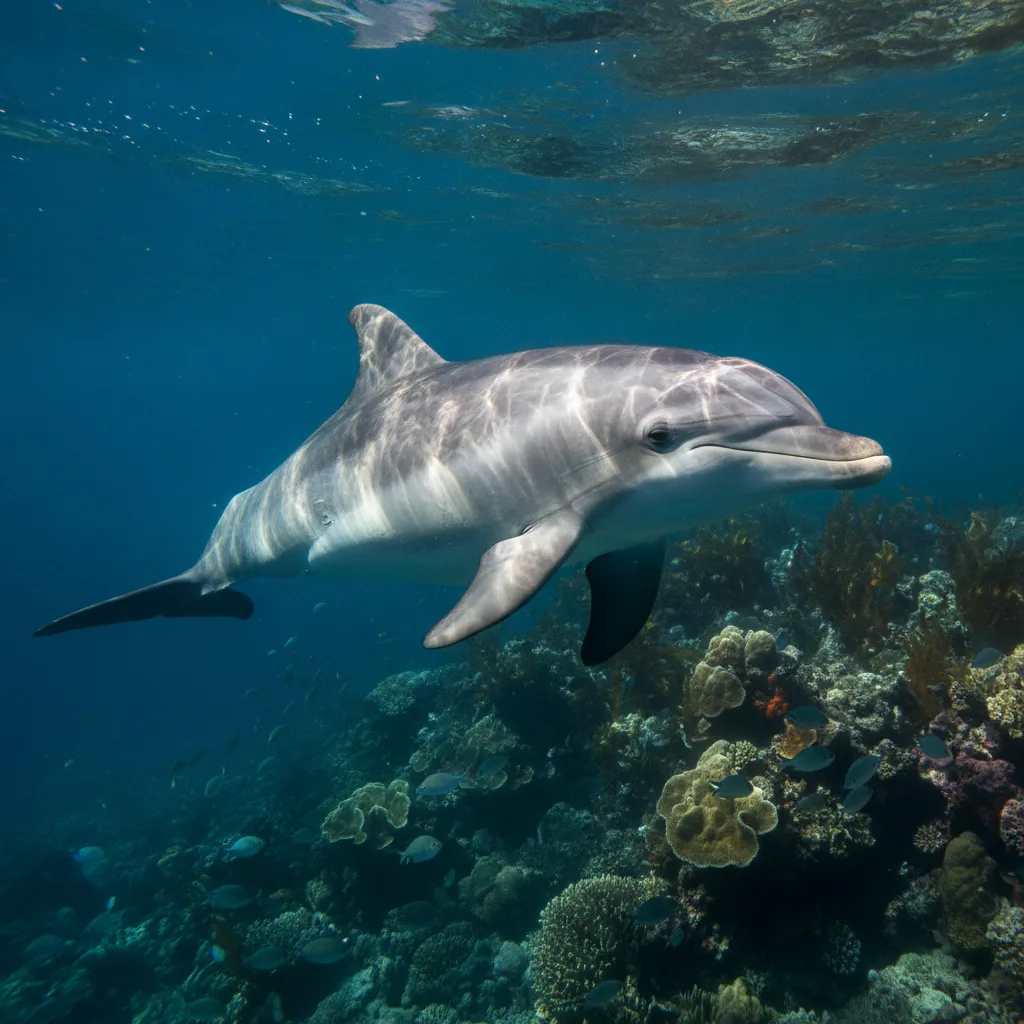
Dolphin
Dolphins are toothed whales, and the roughly 40 species range from the familiar bottlenose to the river dolphins of the Amazon and Ganges. They find fish in murky water by…
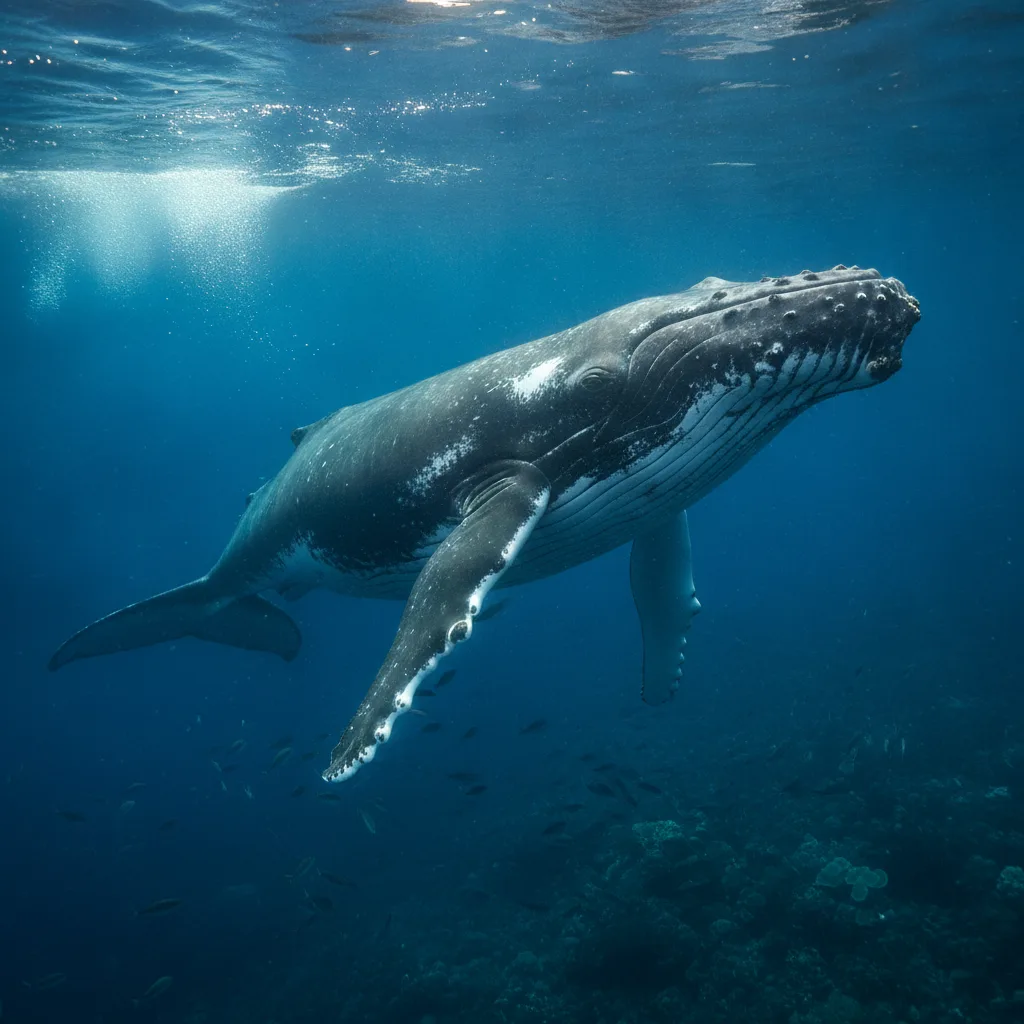
Whale
Whales are fully aquatic mammals split into two groups: baleen whales that strain krill and small fish through plates in their mouths, and toothed whales such as sperm whales and…
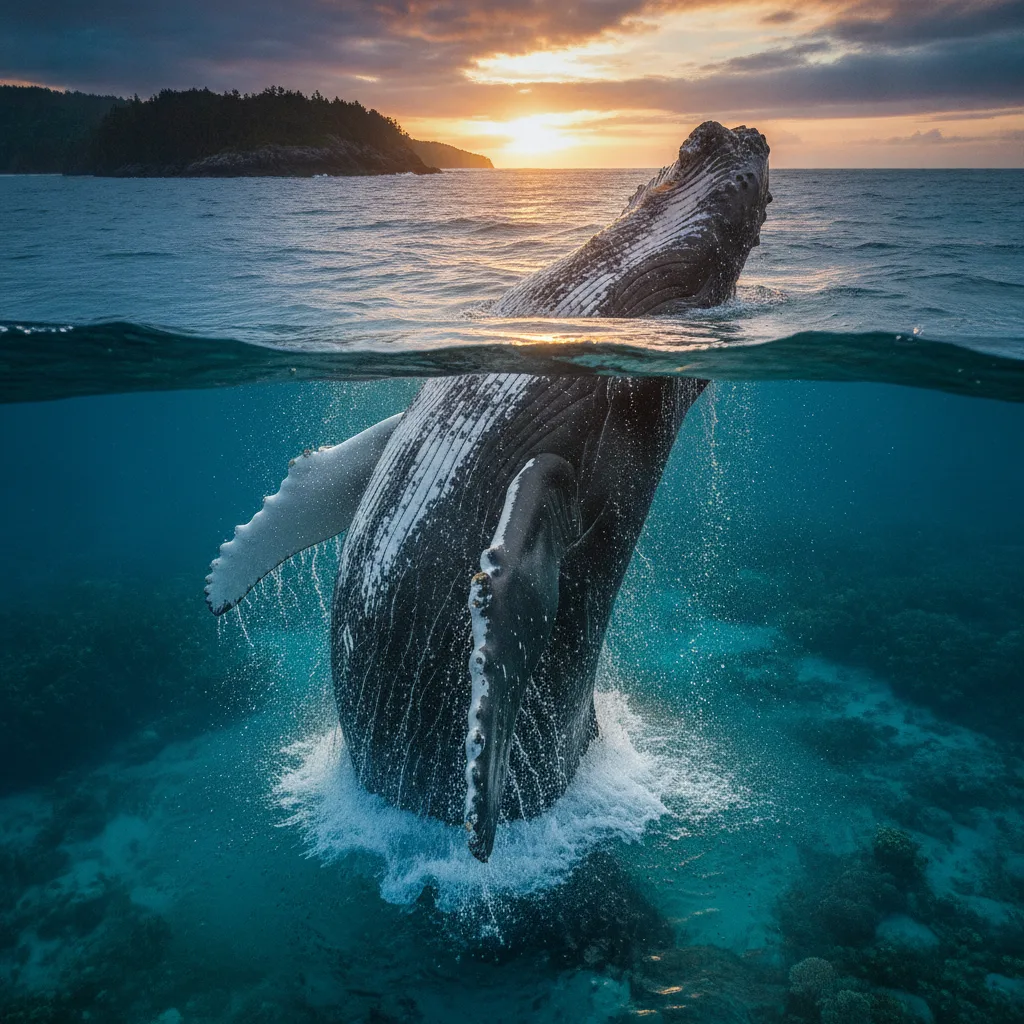
Humpback Whale
Humpback whales are found in every ocean, feeding in cold polar waters in summer and migrating thousands of kilometres to tropical breeding grounds in winter. Males sing long, structured songs…
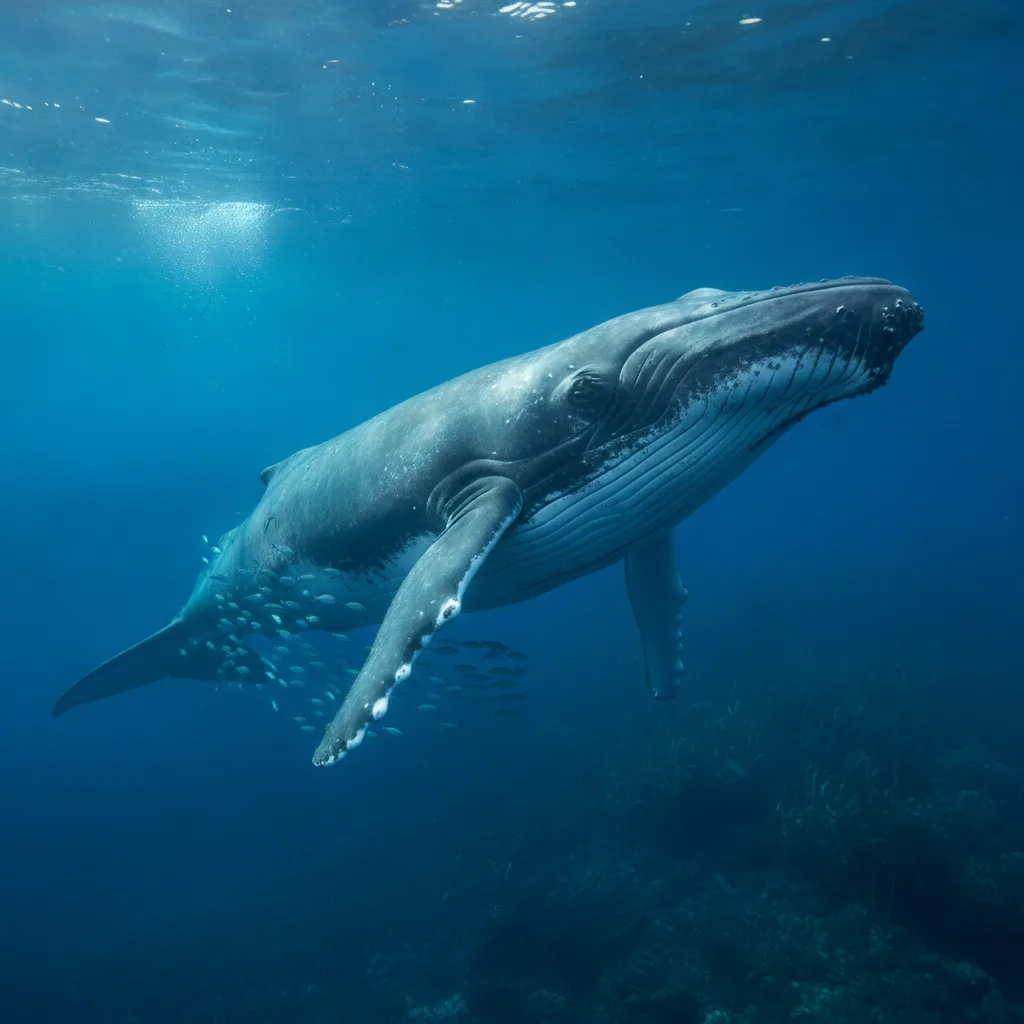
Blue Whale
The blue whale is the largest animal known to have ever lived, reaching around 30 metres and 150 tonnes or more, yet it feeds almost entirely on krill, straining several…
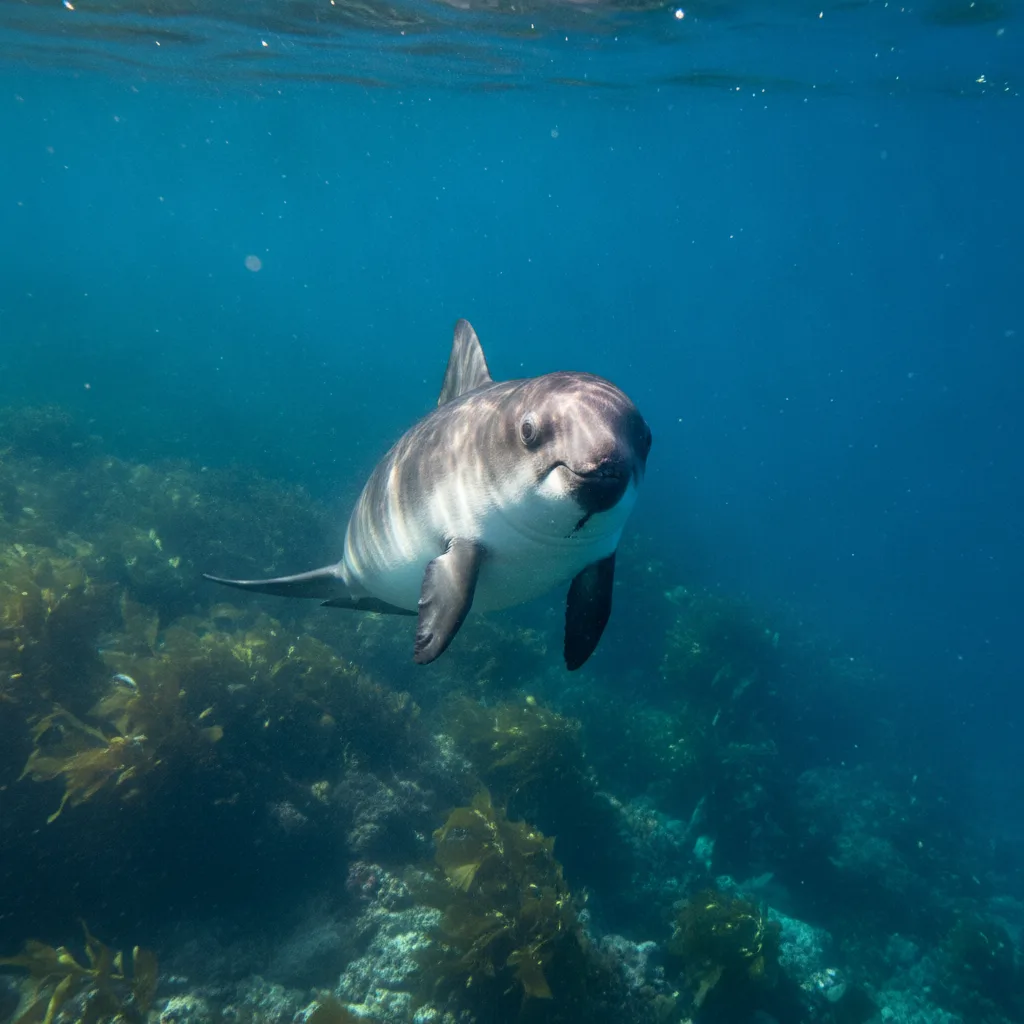
Vaquita
The vaquita is a small porpoise found only in the northern Gulf of California, Mexico — the smallest range of any marine mammal. It is about 1.5 metres long with…
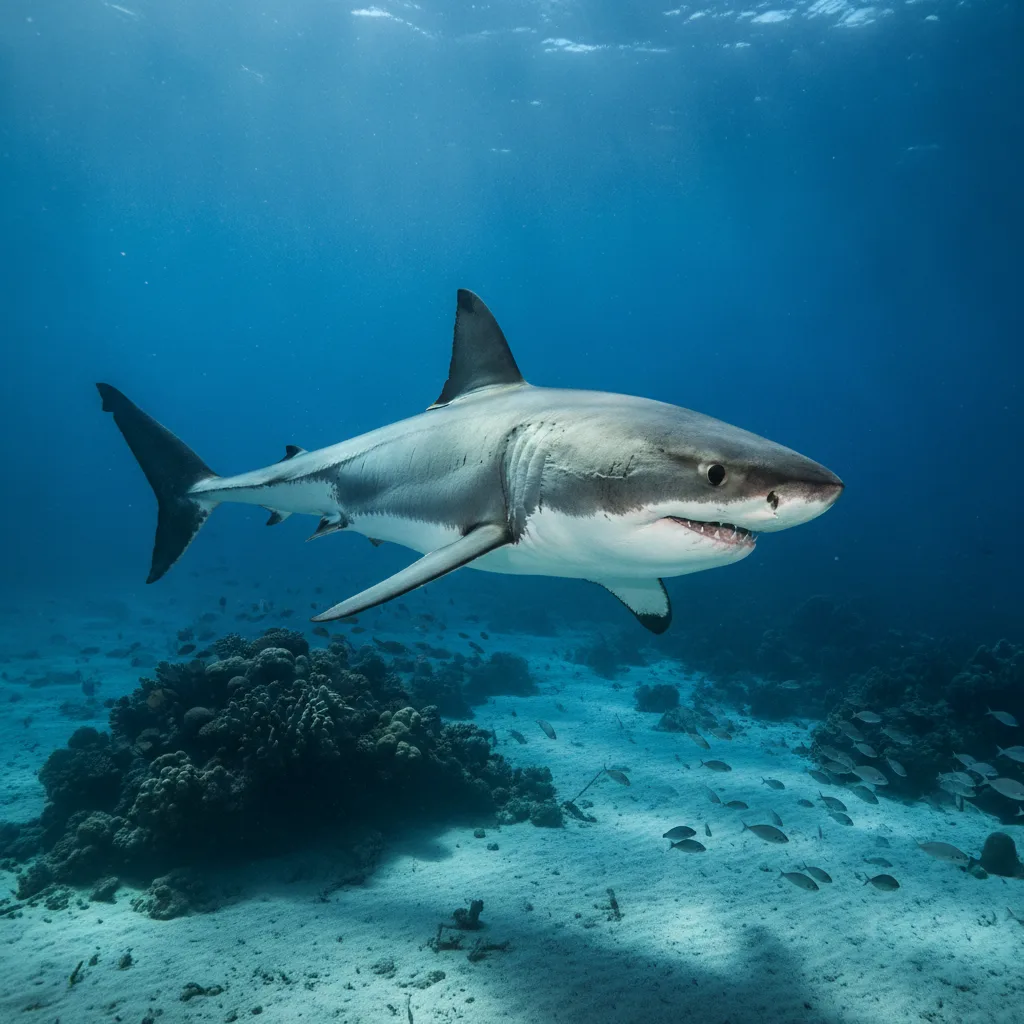
Shark
Sharks have patrolled the oceans for more than 400 million years, predating both trees and dinosaurs, and the roughly 500 living species range from the hand-sized dwarf lanternshark to the…
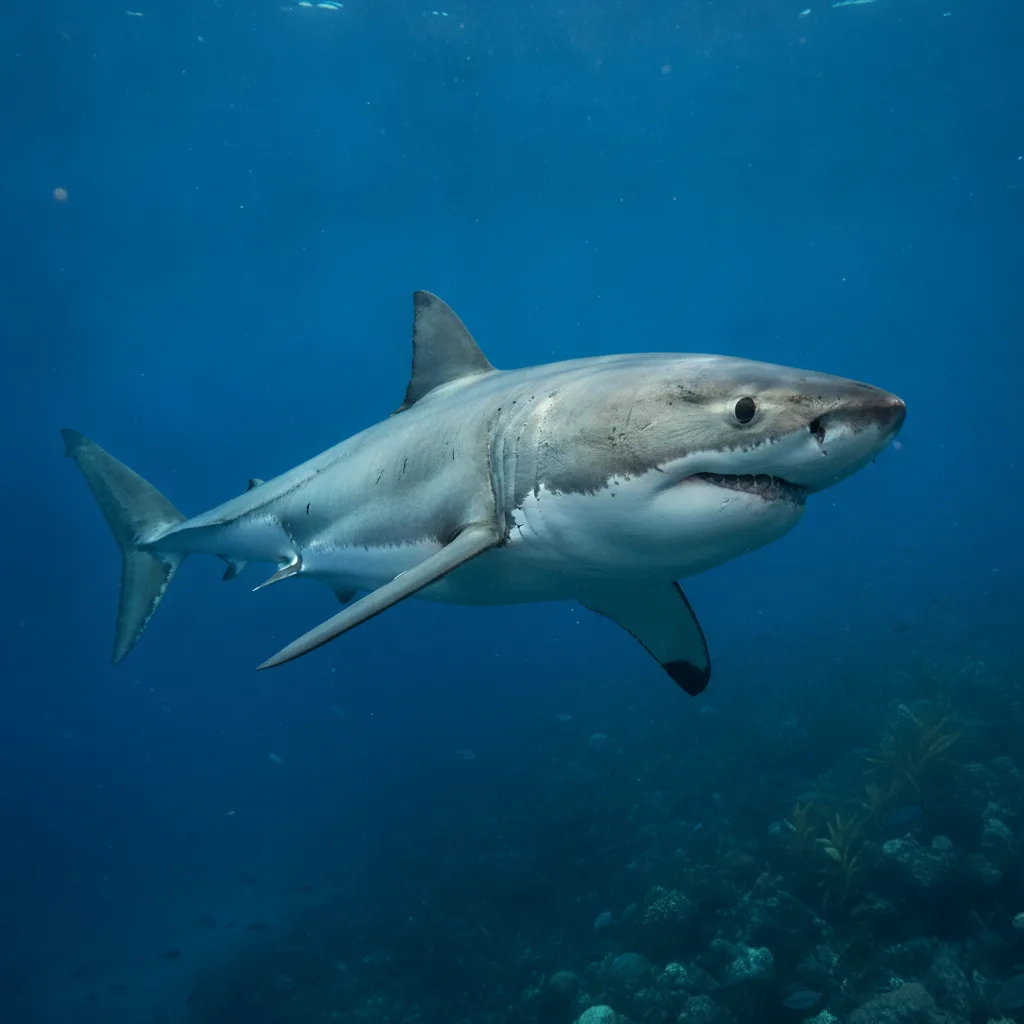
Great White Shark
Great white sharks range through temperate and subtropical coastal waters worldwide, with well-studied populations off South Africa, Australia, California and the northeast United States. They can keep parts of their…
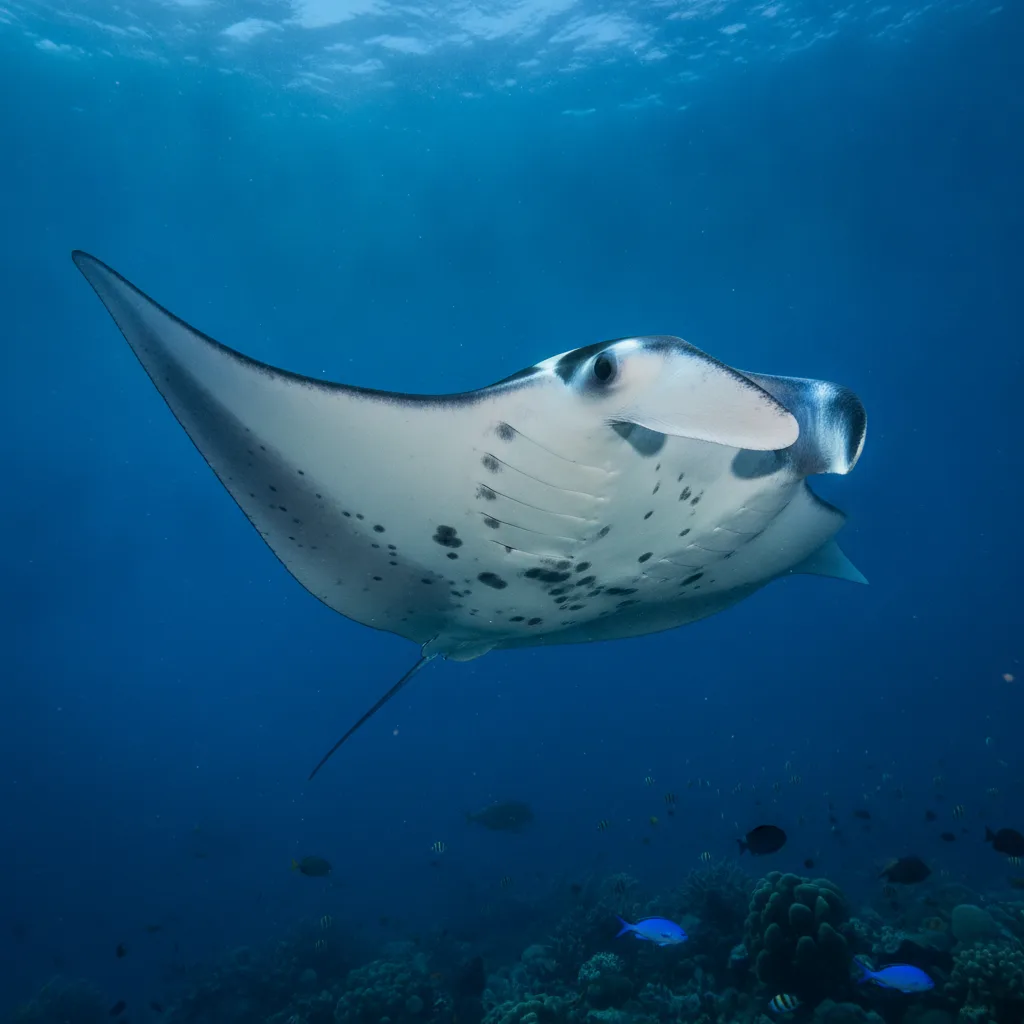
Manta Ray
Manta rays are the largest rays, with the oceanic manta spanning up to 7 metres across, and they cruise tropical and subtropical seas filtering plankton through their wide mouths. They…
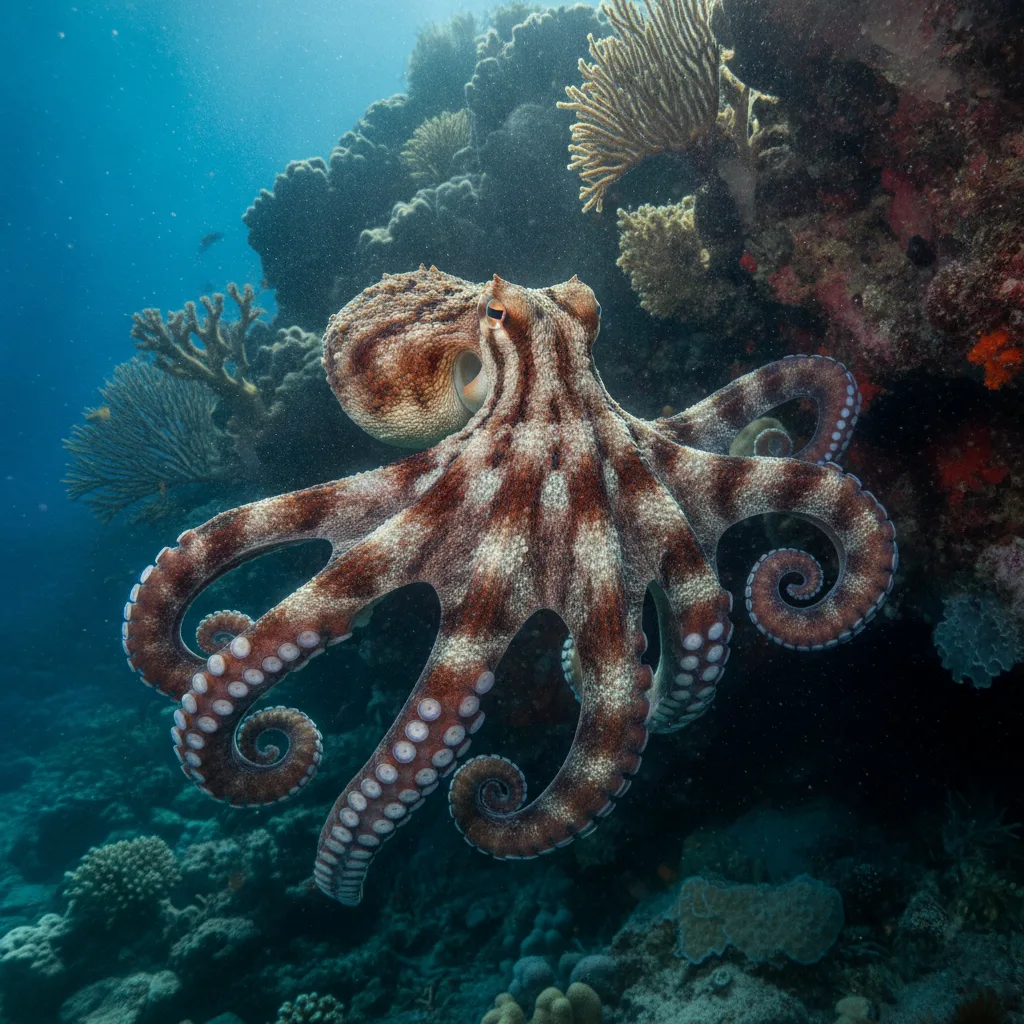
Octopus
Octopuses are soft-bodied molluscs with eight arms, three hearts and blue, copper-based blood, found in every ocean from tide pools to the deep sea. Two-thirds of their neurons sit in…
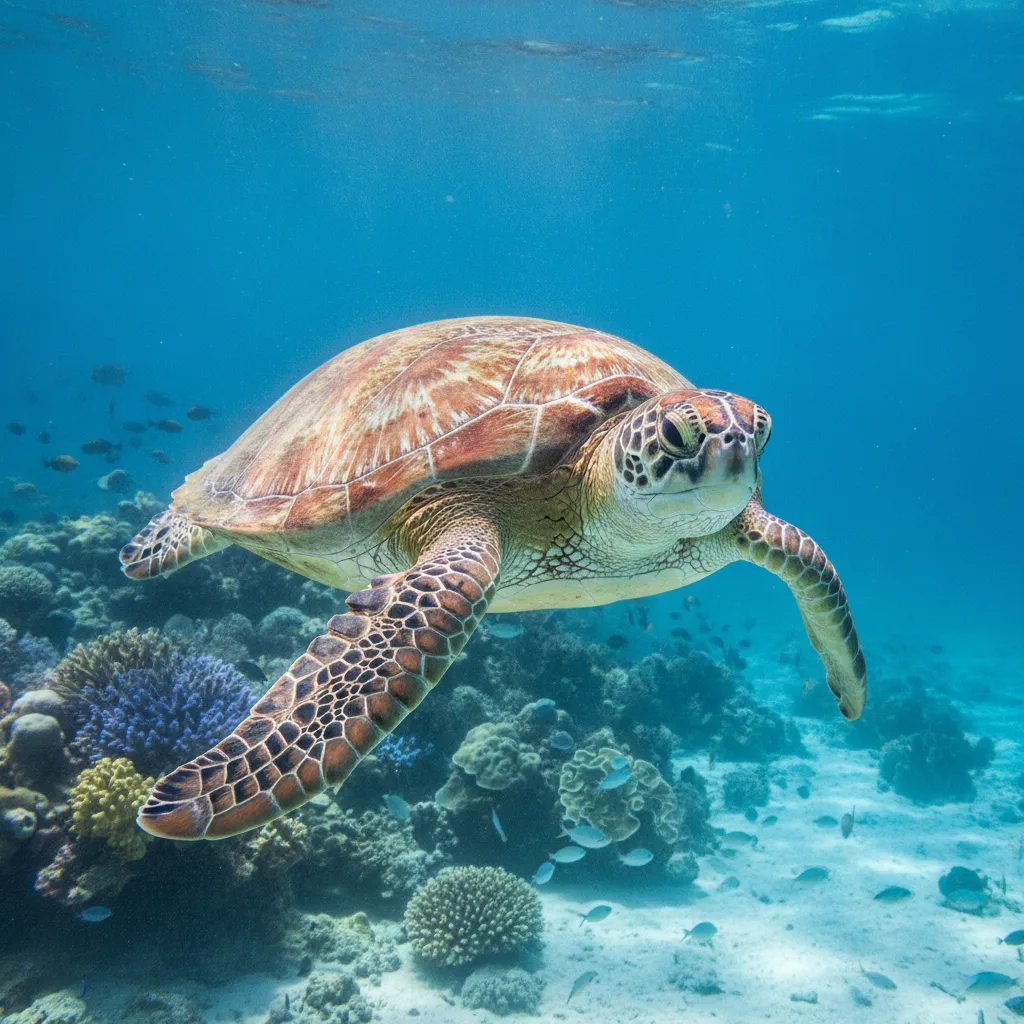
Sea Turtle
Sea turtles have swum the oceans for over 100 million years, and the seven living species nest on tropical and subtropical beaches while ranging across whole ocean basins. Females return…
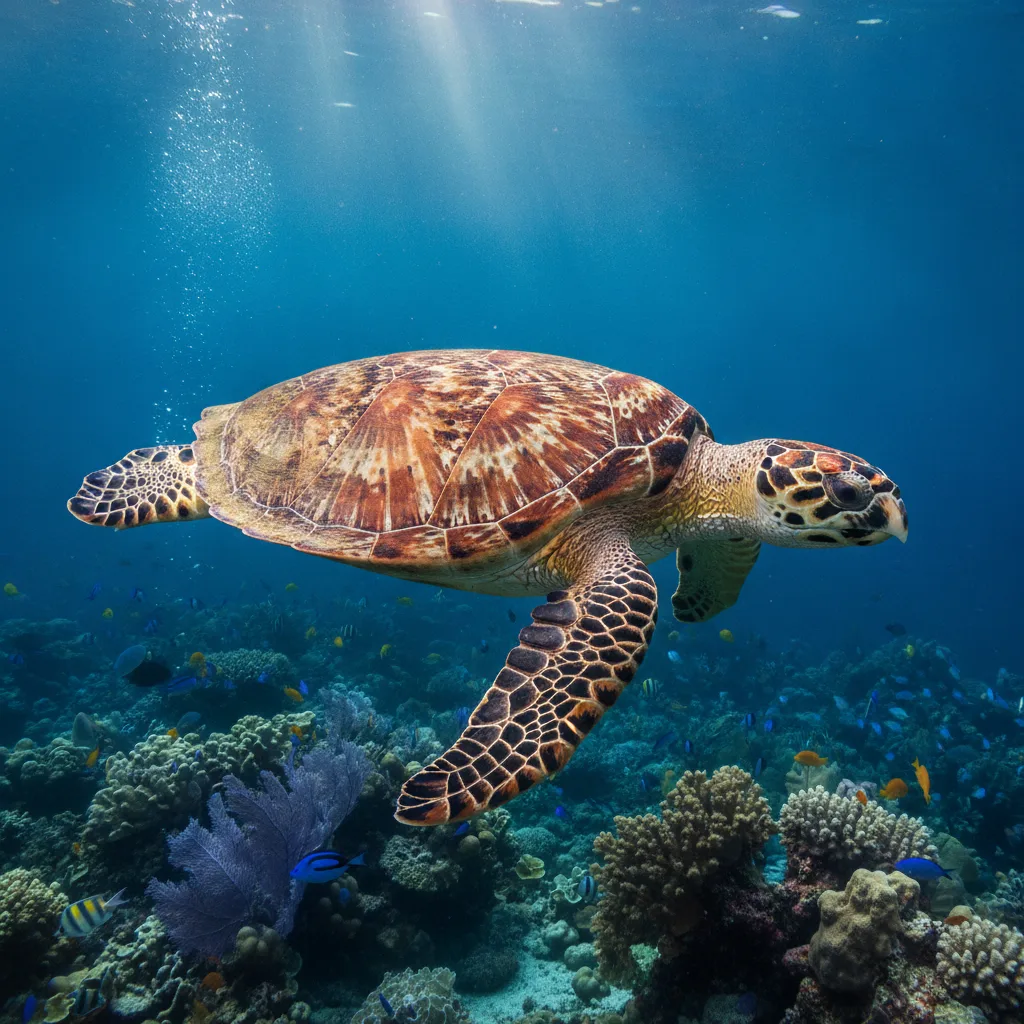
Hawksbill Turtle
The hawksbill turtle lives around coral reefs throughout the tropics, using its narrow, beak-like jaw to pull sponges from crevices; sponges make up most of its diet. Its overlapping amber-and-brown…
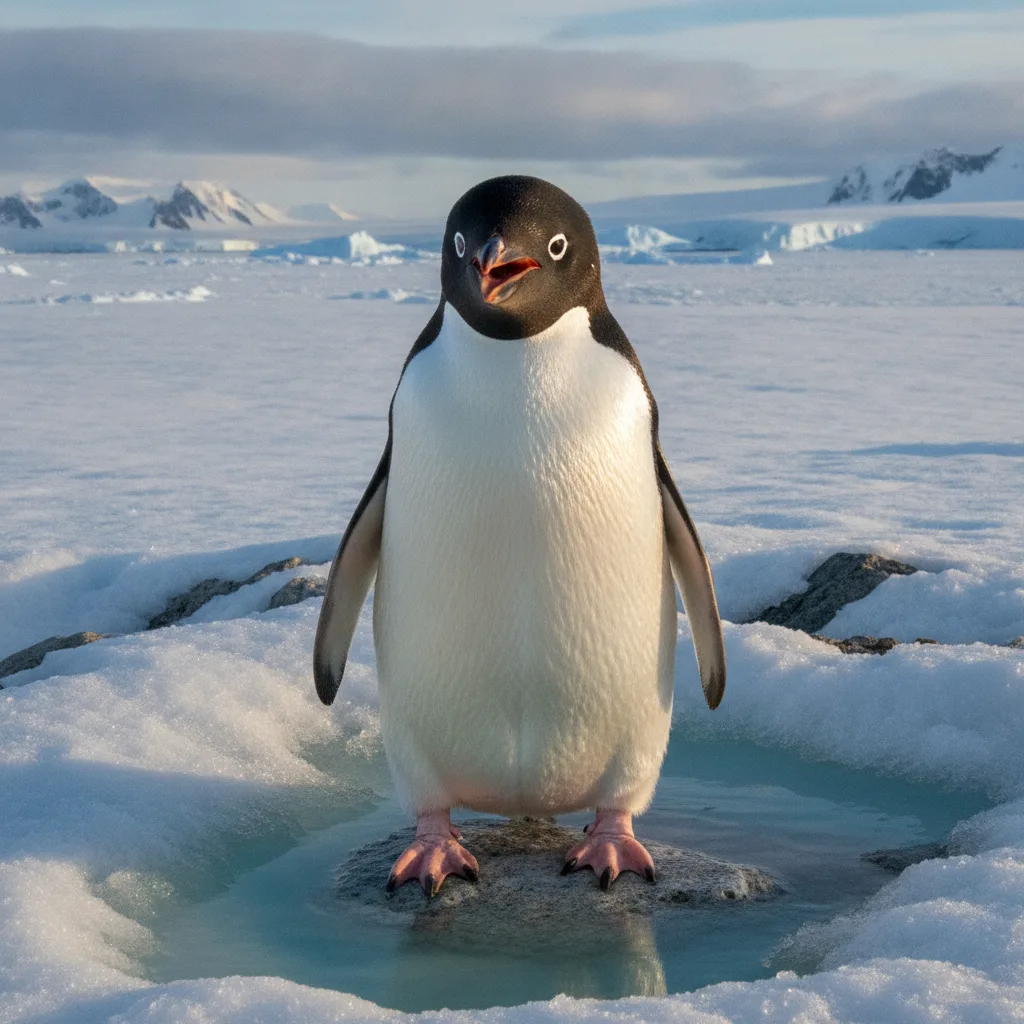
Penguin
Penguins are flightless seabirds of the Southern Hemisphere, and only the Galápagos penguin lives as far north as the equator. Their wings have become stiff flippers, and emperor penguins dive…
Jellyfish
Jellyfish drift through every ocean from the surface to the deep sea, and they have done so for more than 500 million years, making them among the oldest animals on…
Turtle
Turtles are reptiles whose ribs and backbone are fused into a shell, and the roughly 360 species live in oceans, rivers, ponds and on land across every continent except Antarctica…
Orca
Orcas, or killer whales, are the largest dolphins and live in every ocean from the tropics to the pack ice, hunting in family pods that stay together for life. Different…
Hammerhead Shark
Hammerhead sharks are named for the flattened, wing-shaped head that spreads their eyes and nostrils far apart, giving them a wider field of view and a better fix on the…
Whale Shark
The whale shark is the largest fish alive, reaching 12 metres or more, yet it feeds by cruising slowly through plankton and small fish with its wide mouth open, straining…
Narwhal
Narwhals live year-round in the Arctic waters of Canada, Greenland and Russia, spending the winter under dense pack ice and diving deeper than 1,500 metres for halibut and squid. The…
Beluga Whale
Beluga whales are white Arctic whales with no dorsal fin, a rounded forehead called a melon that they can change in shape, and unusually flexible necks that let them turn…
Seahorse
Seahorses are fish with a horse-like head, a grasping tail and a body armoured in bony plates, found in seagrass beds, mangroves and reefs in shallow temperate and tropical seas…
Sea Otter
Sea otters live in the kelp forests and shallow coastal waters of the North Pacific, from Russia and Alaska down to central California. They have the densest fur of any…
Walrus
Walruses haul out in crowded herds on the sea ice and beaches of the Arctic, and both sexes grow tusks — elongated canine teeth that reach a metre in big…
Emperor Penguin
Standing over a metre tall, the emperor penguin is the largest penguin and the only animal that breeds through the Antarctic winter, when males incubate a single egg on their…