Primate facts for kids: 7 apes, monkeys and lemurs to research
Primates are the group of mammals that includes monkeys, apes, lemurs and us. Most have forward-facing eyes, grasping hands with nails rather than claws, and big brains for their size, and the roughly 500 species live mainly in the tropical forests of Africa, Asia and the Americas. The great apes — gorillas, chimpanzees, bonobos and orangutans — are our closest relatives: chimpanzees share about 98–99% of their DNA with humans, crack nuts with stone hammers and pass those skills down through generations. Gorillas are the largest primates, and for all their strength they eat mostly leaves and stems. Orangutans are the largest tree-living animals and spend almost their whole lives in the canopy of Borneo and Sumatra. Lemurs are found only on Madagascar, where they evolved in isolation into more than 100 species. Primates are also among the most threatened mammals: every great ape is Endangered or Critically Endangered, and around 98% of lemur species are threatened.
Research pages
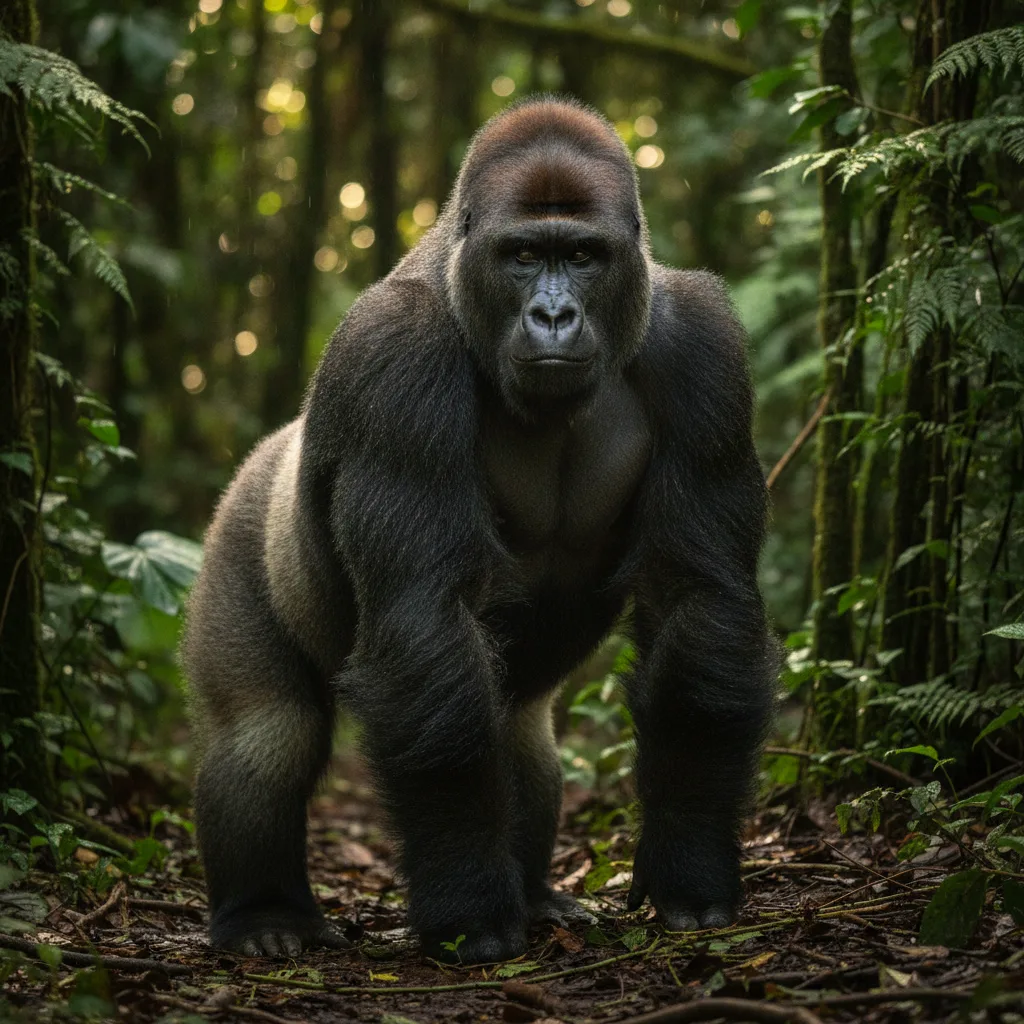
Gorilla
Gorillas are the largest living primates, and the two species — eastern and western — live in the forests of equatorial Africa in stable family groups led by a mature…
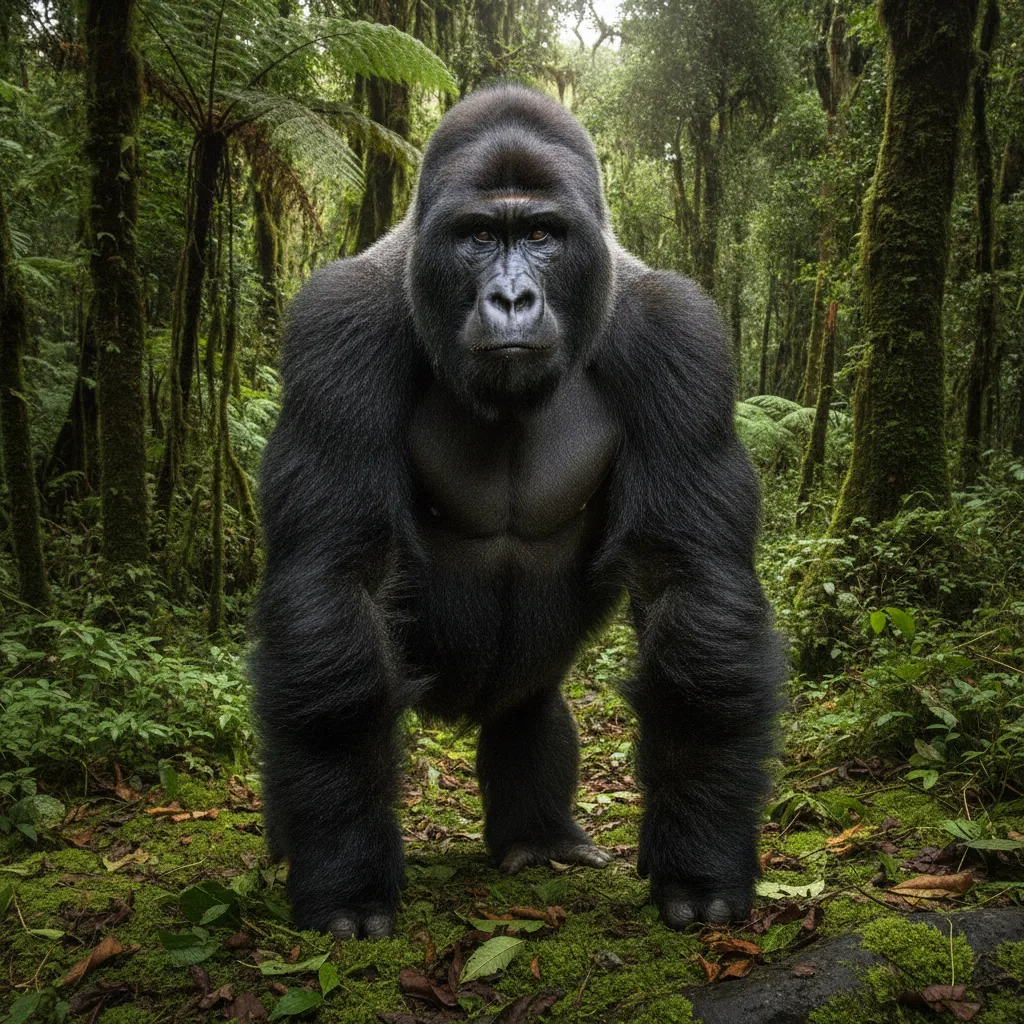
Mountain Gorilla
Mountain gorillas live in just two places: the Virunga volcanoes shared by Rwanda, Uganda and the Democratic Republic of the Congo, and Uganda's Bwindi Impenetrable Forest, at altitudes up to…
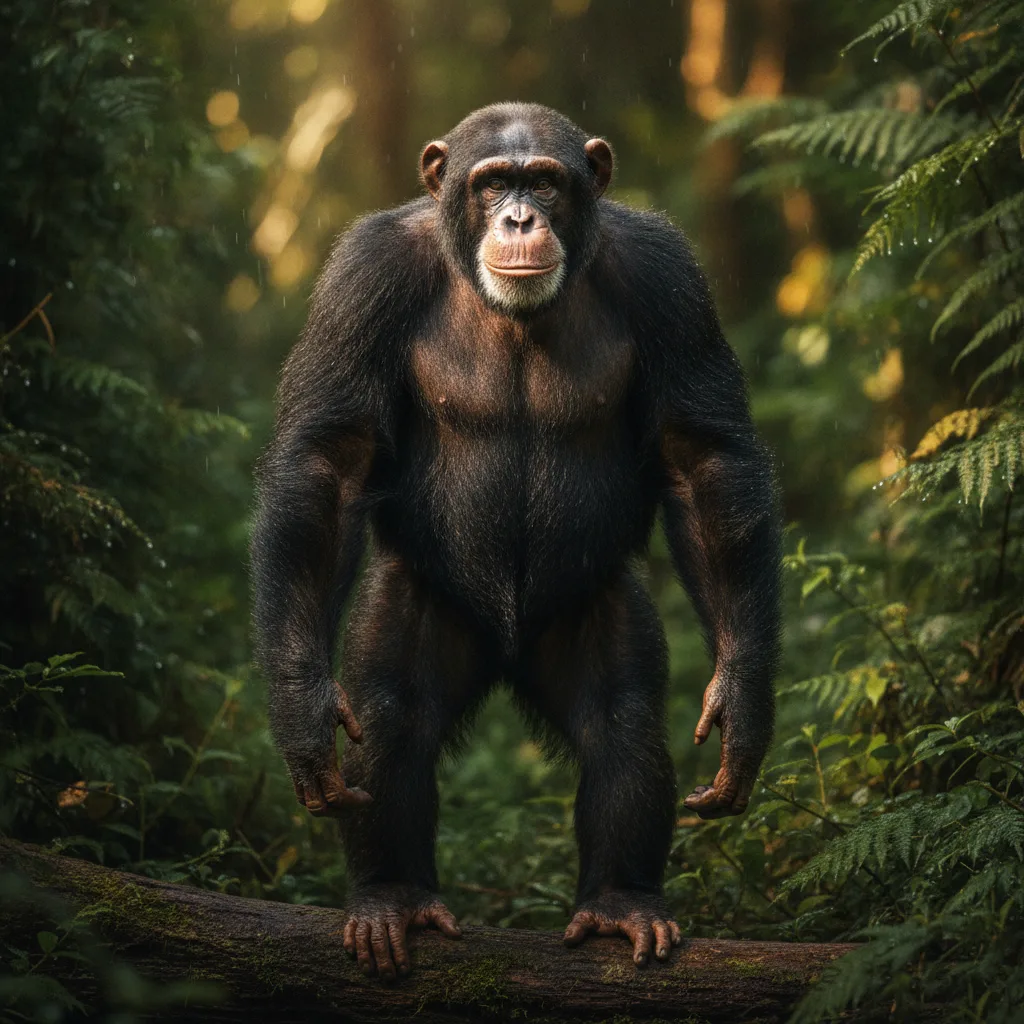
Chimpanzee
Chimpanzees, together with bonobos, are our closest living relatives, sharing roughly 98–99% of their DNA with humans, and they live in fluid communities of up to 150 across the forests…

Orangutan
Orangutans are the only great apes native to Asia, and the three species — Bornean, Sumatran and Tapanuli — live in the rainforests of Borneo and Sumatra. They are the…
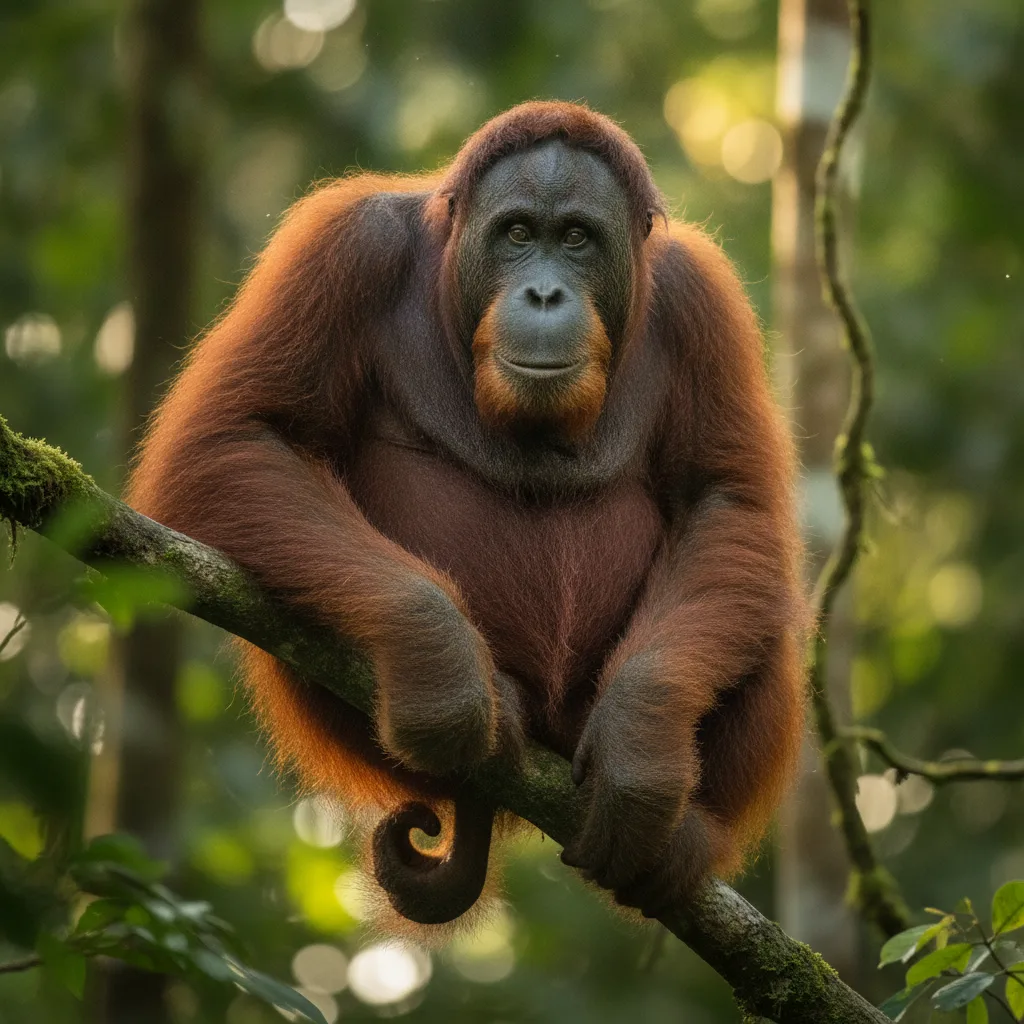
Sumatran Orangutan
The Sumatran orangutan lives only in the rainforests of northern Sumatra, Indonesia, chiefly in the Leuser Ecosystem, and spends almost its entire life in the trees. It is more social…
Monkey
Monkeys are primates found in the tropics of Africa, Asia and the Americas, and the roughly 260 species divide into New World monkeys, many with prehensile tails, and Old World…
Lemur
Lemurs are primates found only on Madagascar and the nearby Comoro Islands, where they evolved in isolation into more than 100 species, from the 30-gram mouse lemur to the indri…