Bear facts for kids: 6 bears (and look-alikes) to research
There are only eight true bear species, and they include the largest land carnivores alive: a male polar bear can weigh 600 kilograms and hunts seals on the Arctic sea ice, while a grizzly may put on a kilogram of fat a day before winter and can eat dozens of salmon in a day during the run. The giant panda is a bear too, but one that eats almost nothing except bamboo, up to 38 kilograms of it a day, gripped with a wrist bone that works like a thumb. Two animals here are not bears at all, however much they look it. The koala is a marsupial that sleeps up to 20 hours a day on eucalyptus leaves, and the red panda is the last member of its own family, closer to raccoons and weasels than to bears; both are named for a resemblance, not a relationship. Polar bears, pandas and koalas are all listed as Vulnerable, and red pandas as Endangered.
Research pages
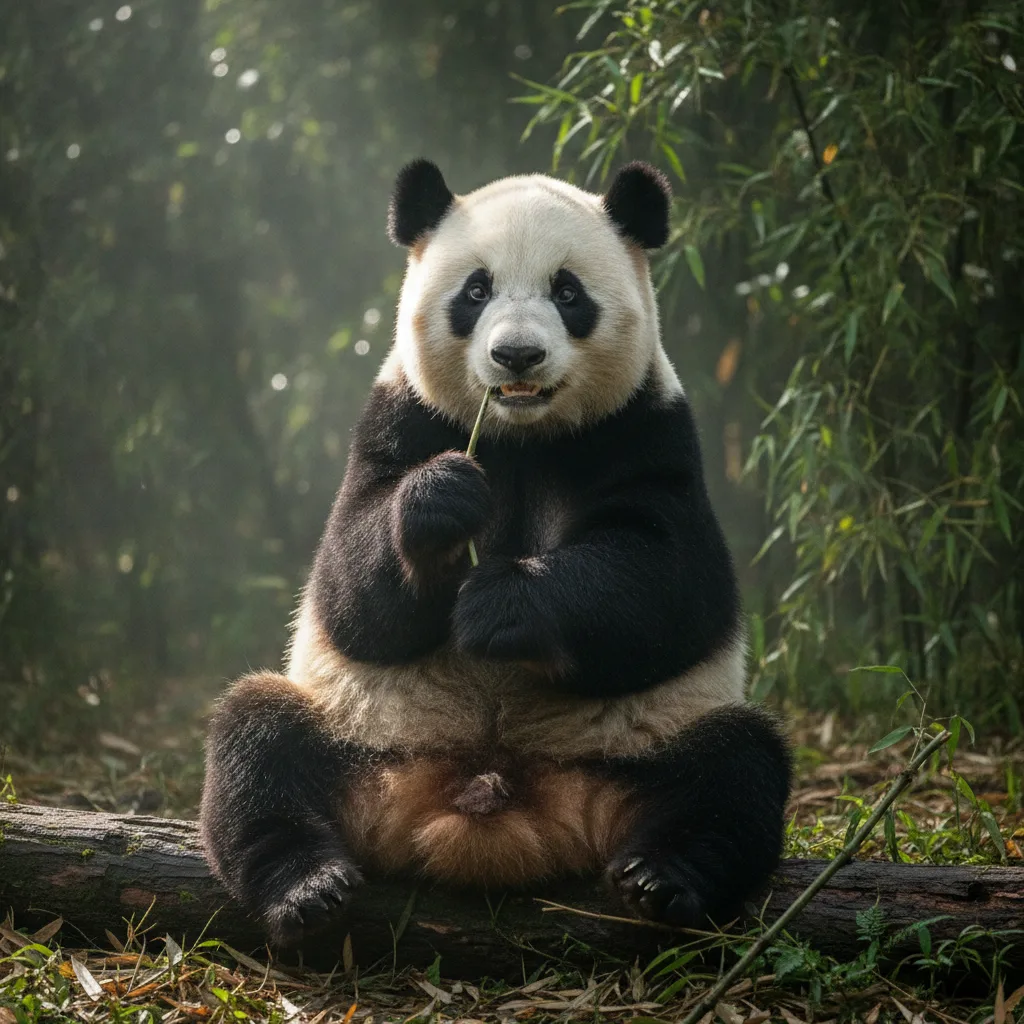
Panda
The giant panda lives only in the bamboo forests of mountainous central China, where an adult may spend 12 hours a day eating 12–38 kilograms of bamboo. It belongs to…
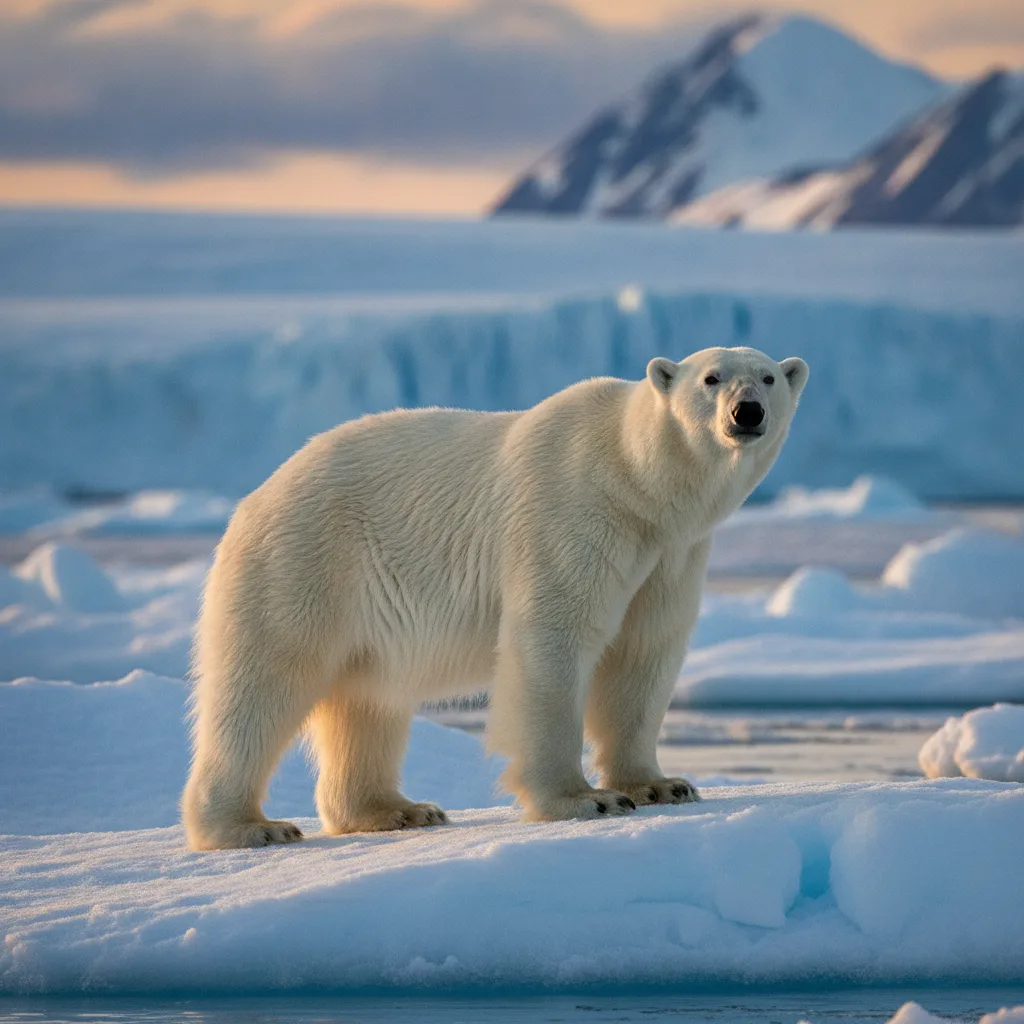
Polar Bear
Polar bears live on the sea ice of the Arctic Ocean, where they hunt ringed and bearded seals at breathing holes and along the ice edge. They are the largest…
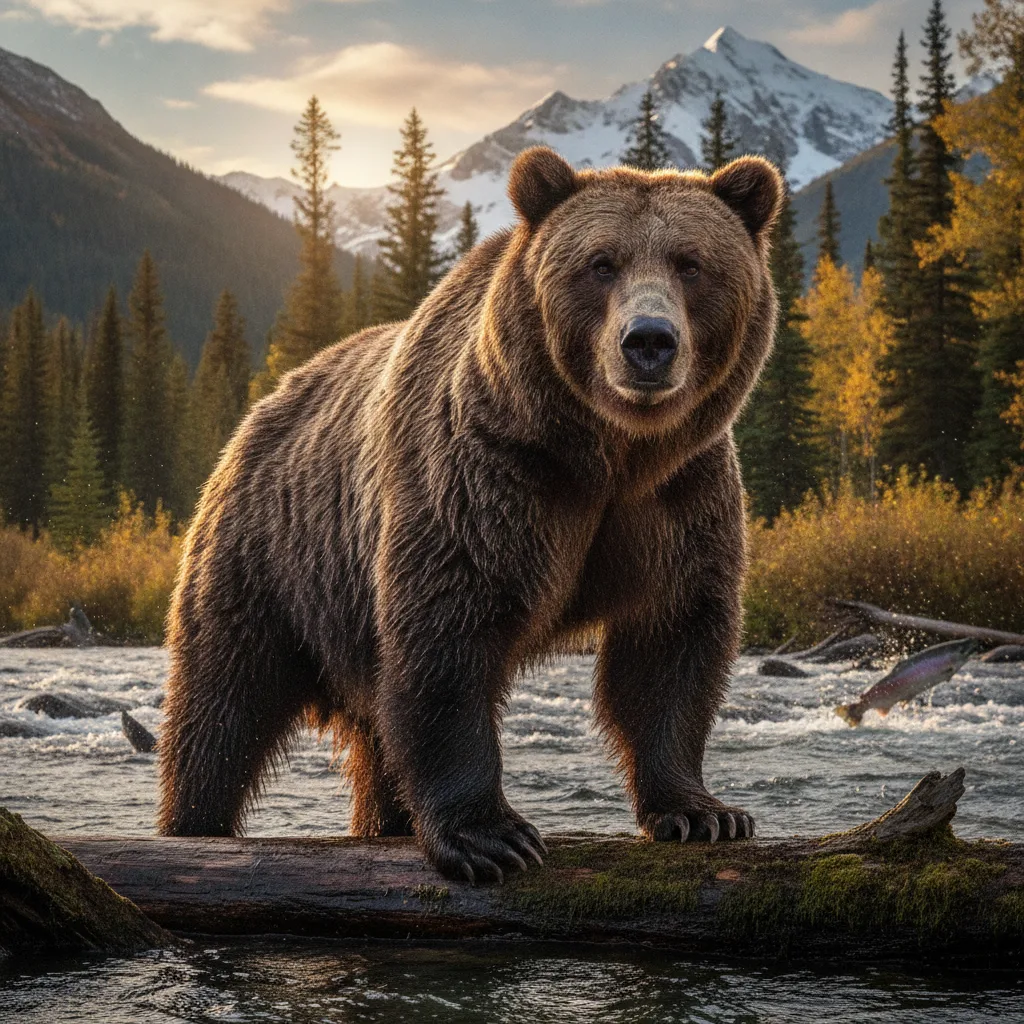
Grizzly Bear
The grizzly is the North American form of the brown bear, found from Alaska and western Canada down into Montana, Wyoming and Idaho. Before winter denning a bear may put…
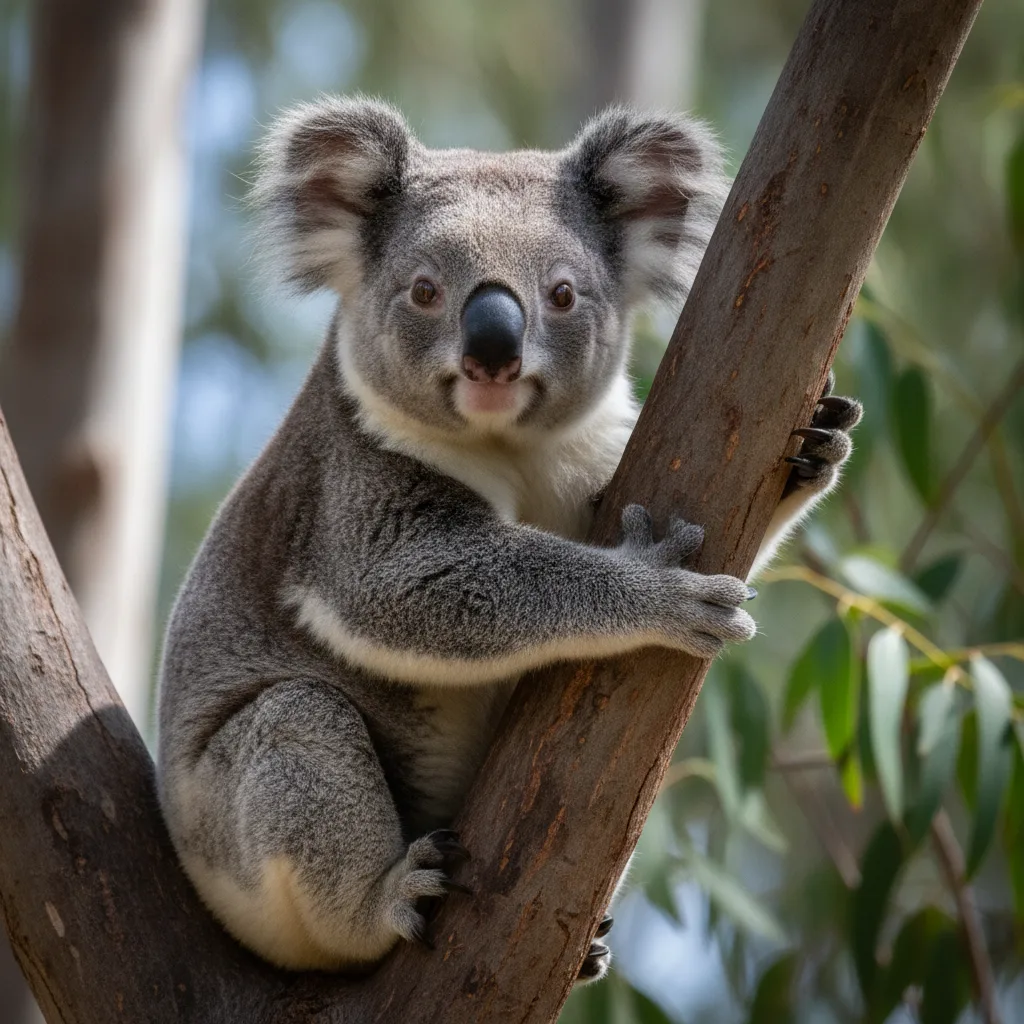
Koala
Koalas are marsupials, not bears, and they live in the eucalyptus forests of eastern and southern Australia, sleeping up to 20 hours a day to cope with a leaf diet…
Bear
Bears are large omnivores found across the Americas, Europe and Asia, and the eight species range from the 30-kilogram sun bear of Southeast Asian forests to polar bears weighing over…
Red Panda
The red panda lives in the temperate mountain forests of the eastern Himalaya and southwest China, at elevations of roughly 2,200 to 4,800 metres, where bamboo grows thickly under the…