Reptile facts for kids: 8 reptiles to research
Reptiles are cold-blooded, scaly animals that lay eggs on land or give birth to live young, and the roughly 12,000 species include lizards, snakes, turtles and crocodilians. Because they take their heat from the sun rather than from food, they can go weeks or months between meals. Crocodiles and alligators belong to a lineage more than 200 million years old and have the strongest measured bite of any living animal; the saltwater crocodile is the largest living reptile at over 6 metres. The Komodo dragon is the largest lizard, with a venomous bite that weakens deer and buffalo. Sea turtles cross oceans and return to the beach where they hatched to lay their own eggs, and the hawksbill is Critically Endangered. Chameleons swivel each eye independently and fire a tongue longer than their body. Snakes smell with their tongues and swallow prey wider than their heads by stretching their loosely hinged jaws. Around a fifth of reptile species are threatened, mostly by habitat loss.
Research pages
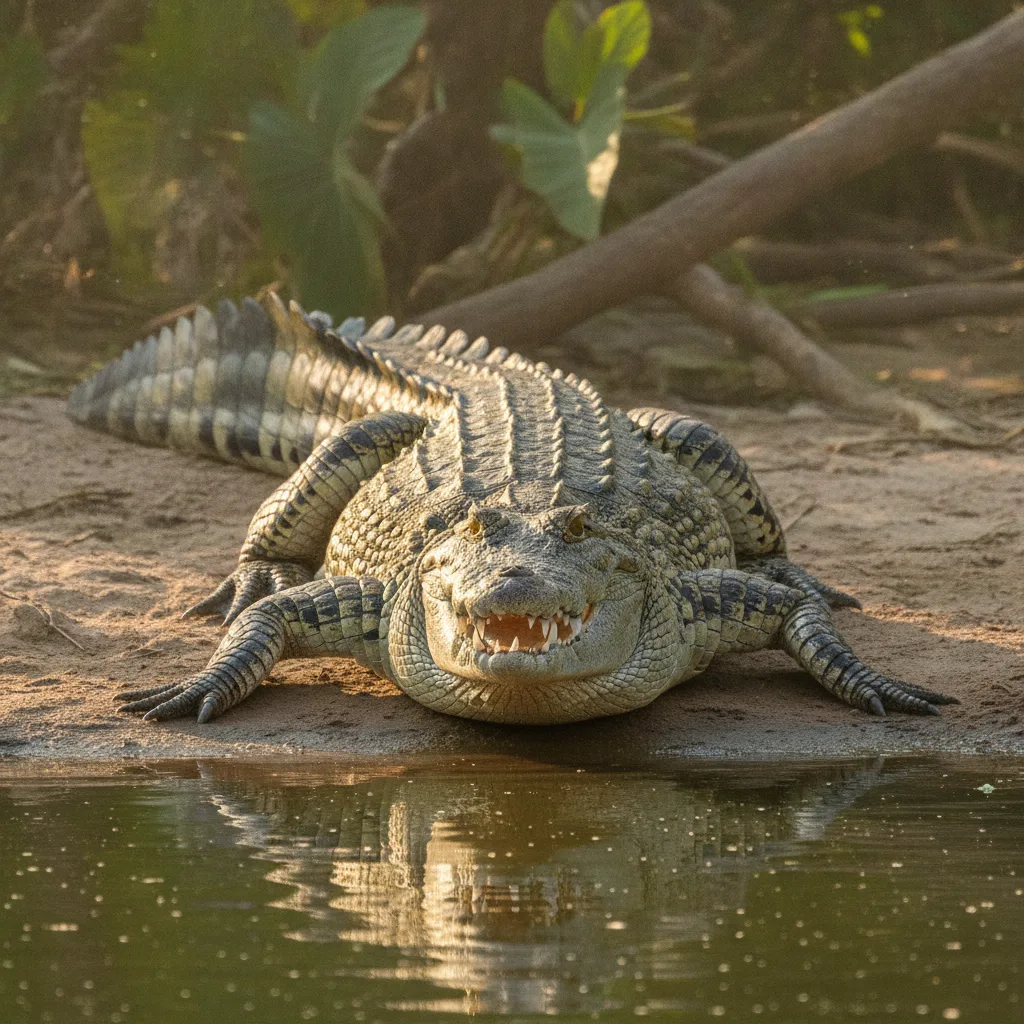
Crocodile
Crocodiles belong to a lineage that dates back more than 200 million years and live in rivers, estuaries and coastal waters across the tropics of Africa, Asia, the Americas and…
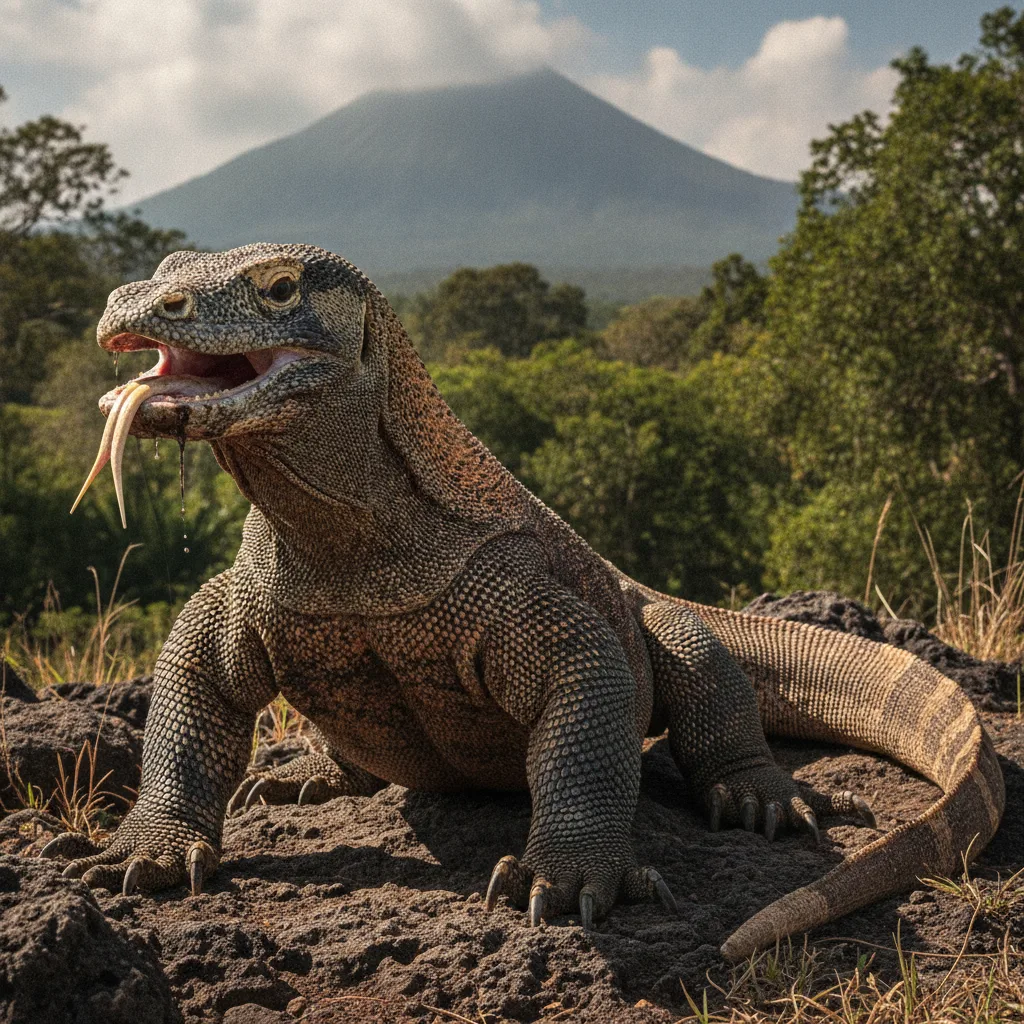
Komodo Dragon
The Komodo dragon is the world's largest lizard, reaching 3 metres and around 70 kilograms, and it lives only on Komodo, Rinca, Flores and a few neighbouring Indonesian islands. It…
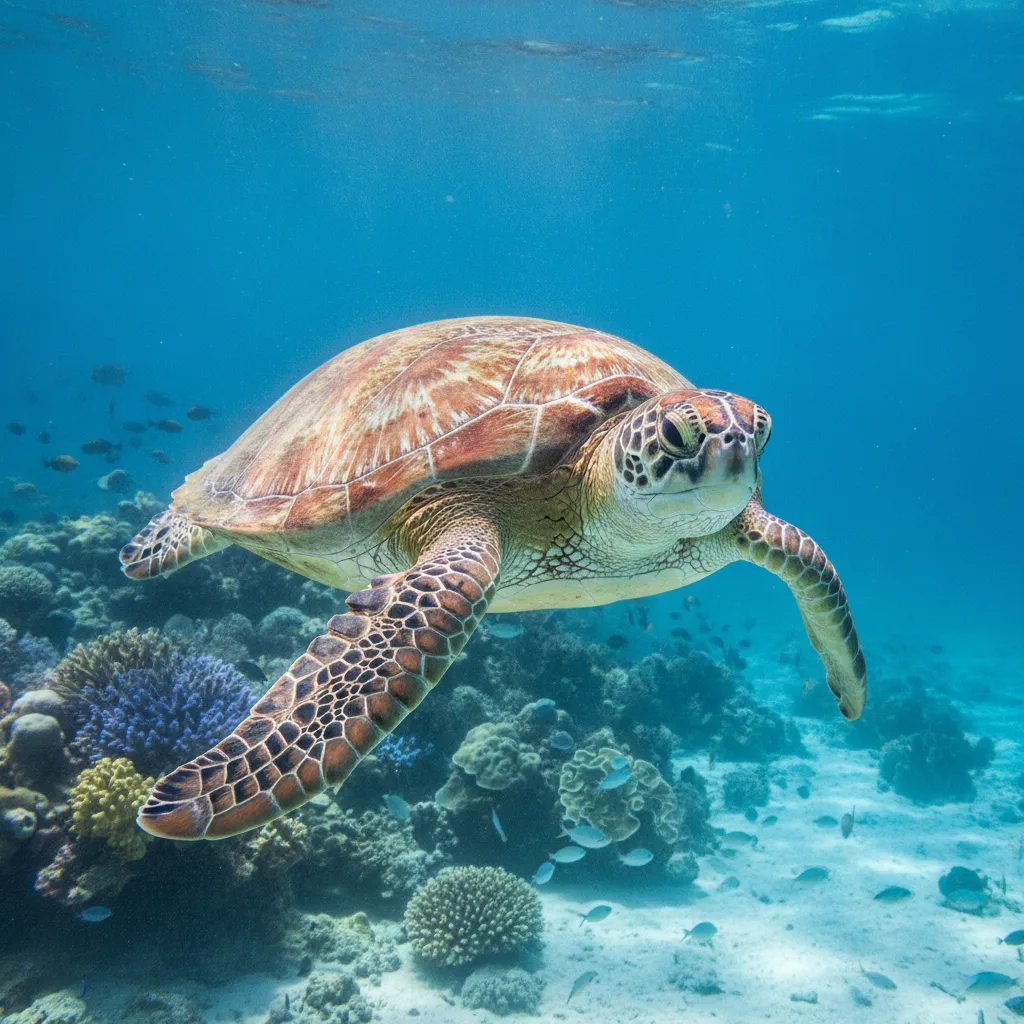
Sea Turtle
Sea turtles have swum the oceans for over 100 million years, and the seven living species nest on tropical and subtropical beaches while ranging across whole ocean basins. Females return…
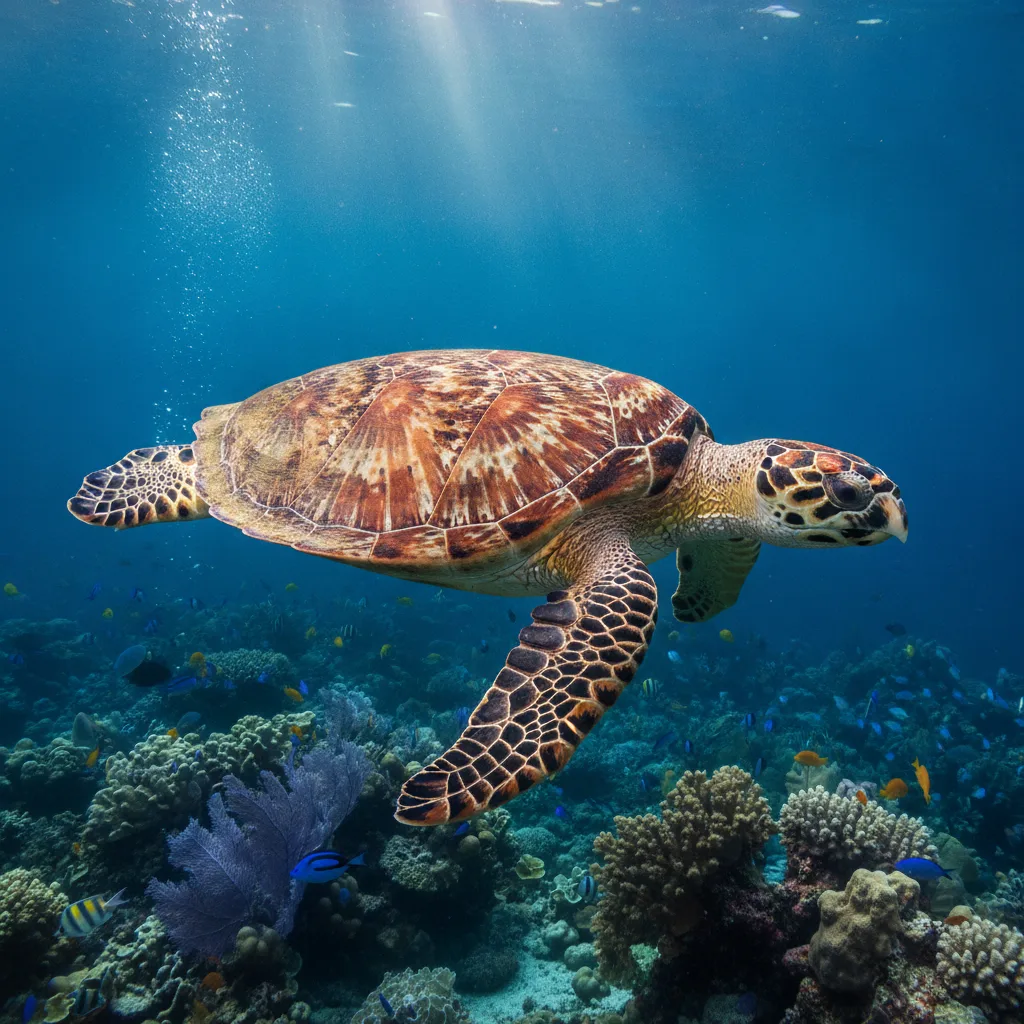
Hawksbill Turtle
The hawksbill turtle lives around coral reefs throughout the tropics, using its narrow, beak-like jaw to pull sponges from crevices; sponges make up most of its diet. Its overlapping amber-and-brown…
Alligator
Alligators live in the freshwater rivers, swamps and marshes of the southeastern United States and, in the case of the much rarer Chinese alligator, a small area of the lower…
Snake
Snakes are legless reptiles found on every continent except Antarctica, and the roughly 4,000 species range from thread snakes barely 10 cm long to reticulated pythons over 6 metres. They…
Turtle
Turtles are reptiles whose ribs and backbone are fused into a shell, and the roughly 360 species live in oceans, rivers, ponds and on land across every continent except Antarctica…
Chameleon
Chameleons are lizards found mainly in Madagascar and sub-Saharan Africa, with a few species around the Mediterranean, in India and in Sri Lanka, and Madagascar alone holds close to half…