Shark facts for kids: 5 sharks and rays to research
Sharks have been in the oceans for more than 400 million years, since before trees grew on land, and around 500 species are alive today. Their skeletons are cartilage rather than bone, they grow and replace teeth throughout life, and small pores on the snout pick up the faint electrical signals of prey hidden under sand. The great white is the best-known hunter, able to keep its muscles warmer than the sea around it; the hammerhead's wide head spreads its eyes and sensors for a better fix on stingrays; and the whale shark, the largest fish on Earth at 12 metres or more, eats only plankton. Manta rays are close relatives — flattened, filter-feeding cousins of sharks with the largest brain of any fish. Fear of sharks is out of proportion to the risk: a handful of people die from shark bites each year, while fishing kills an estimated 100 million sharks, and more than a third of shark and ray species are now threatened with extinction.
Research pages
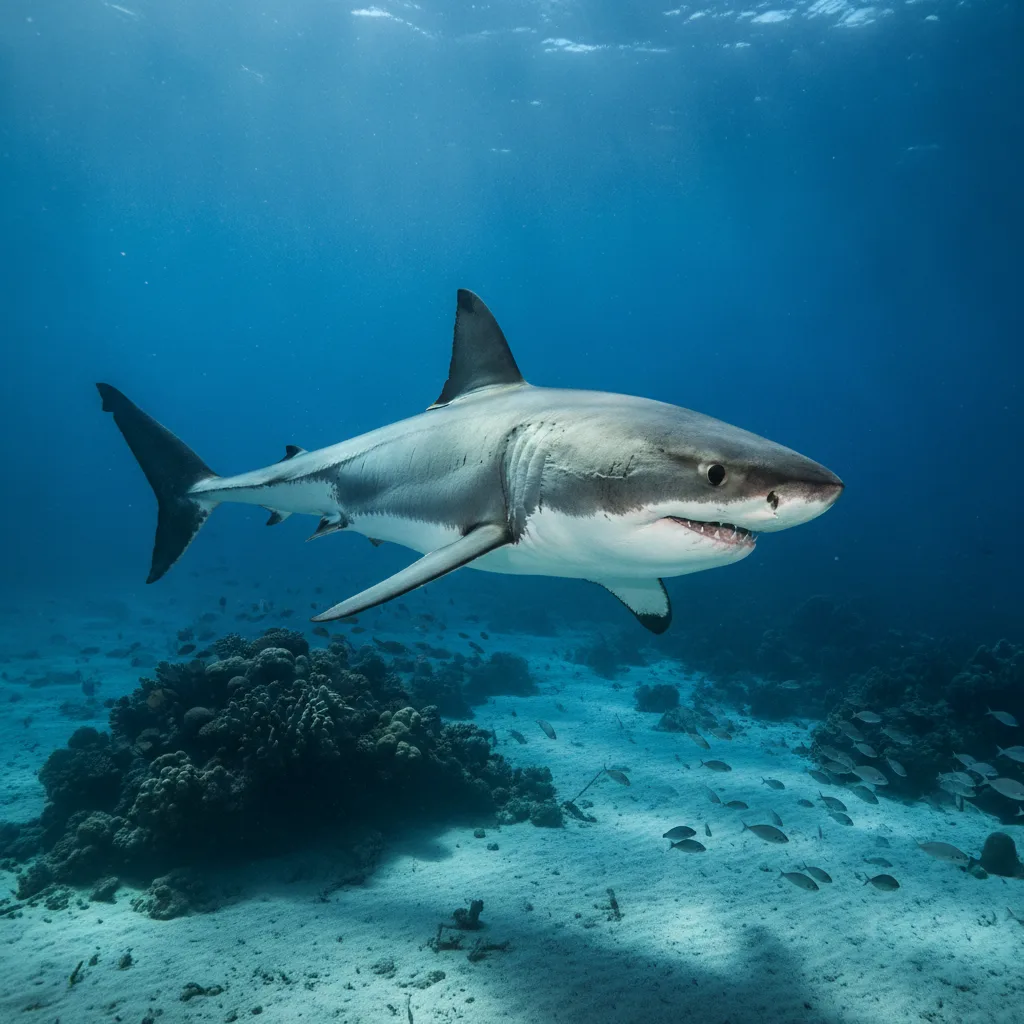
Shark
Sharks have patrolled the oceans for more than 400 million years, predating both trees and dinosaurs, and the roughly 500 living species range from the hand-sized dwarf lanternshark to the…
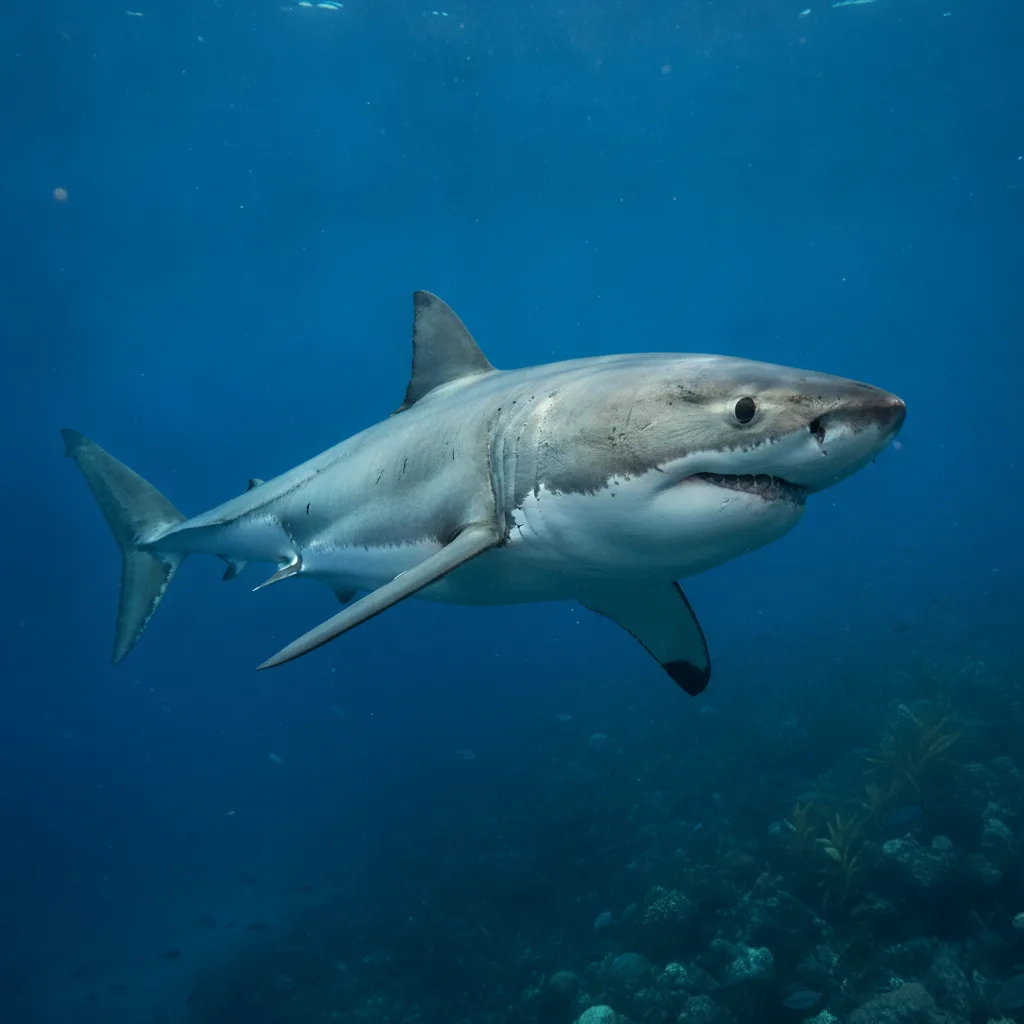
Great White Shark
Great white sharks range through temperate and subtropical coastal waters worldwide, with well-studied populations off South Africa, Australia, California and the northeast United States. They can keep parts of their…
Hammerhead Shark
Hammerhead sharks are named for the flattened, wing-shaped head that spreads their eyes and nostrils far apart, giving them a wider field of view and a better fix on the…
Whale Shark
The whale shark is the largest fish alive, reaching 12 metres or more, yet it feeds by cruising slowly through plankton and small fish with its wide mouth open, straining…
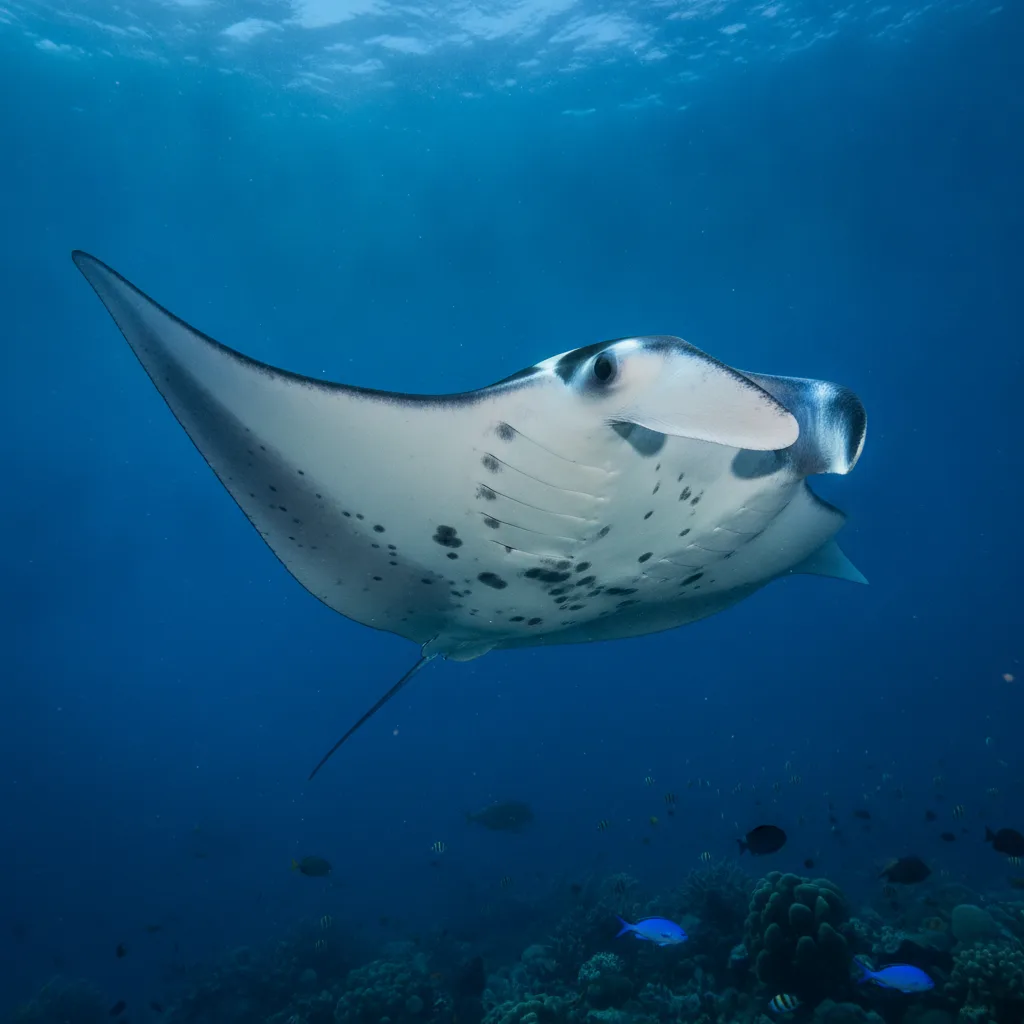
Manta Ray
Manta rays are the largest rays, with the oceanic manta spanning up to 7 metres across, and they cruise tropical and subtropical seas filtering plankton through their wide mouths. They…