Australian animal facts for kids: 5 animals from Australia and its neighbours
Australia has been an island continent for tens of millions of years, and its animals evolved apart from everywhere else. Most native mammals are marsupials that carry their young in a pouch: kangaroos, the largest of them, hop on elastic tendons so efficiently that cruising costs little more energy than walking, and koalas sleep up to 20 hours a day to digest toxic eucalyptus leaves. Stranger still is the platypus, a mammal that lays eggs, has a duck-like bill that senses electric fields, and carries a venomous spur on the male's hind leg. Across the water in Indonesia, the Komodo dragon — the world's largest lizard — lives on a handful of islands and hunts deer with a venomous bite. The saola of Vietnam and Laos, discovered only in 1992, is one of the rarest large mammals on Earth. Koalas are listed as Vulnerable and the Komodo dragon as Endangered as habitat shrinks and sea levels rise.
Research pages
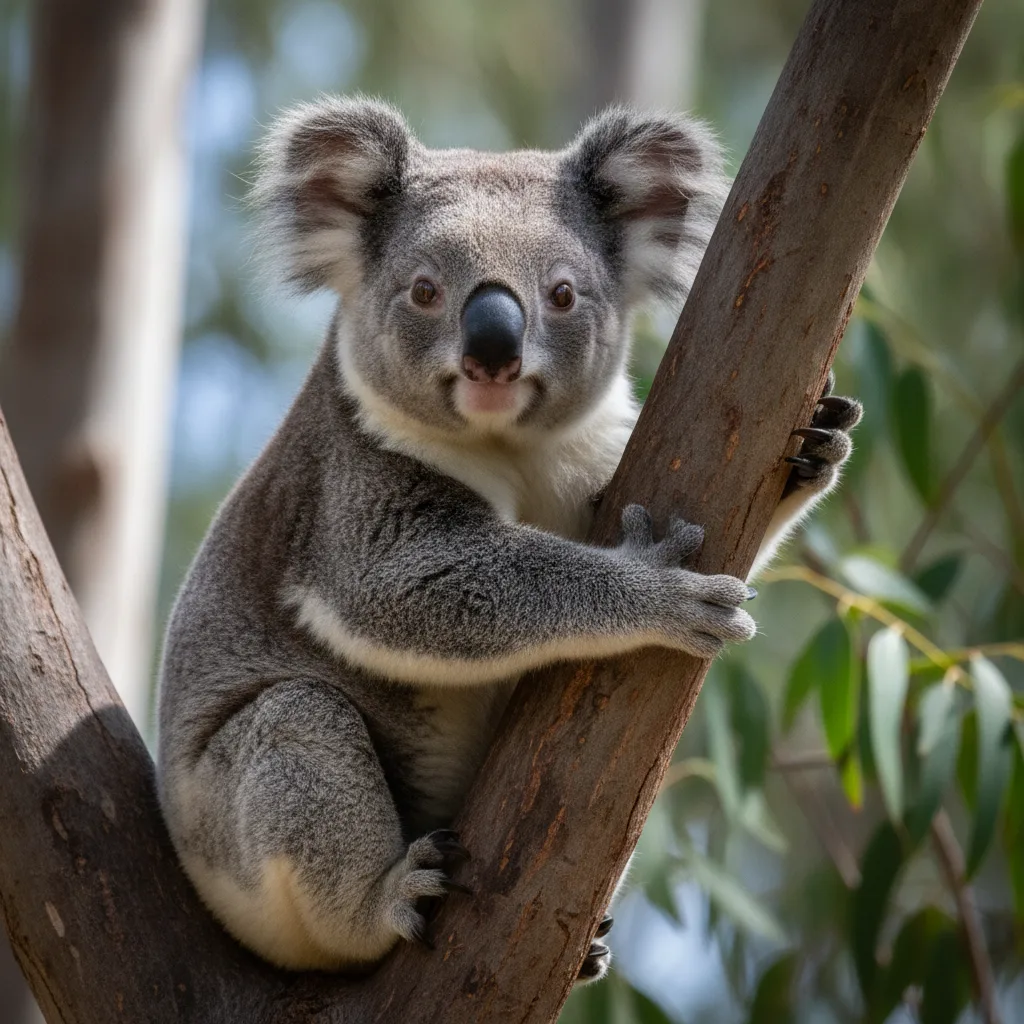
Koala
Koalas are marsupials, not bears, and they live in the eucalyptus forests of eastern and southern Australia, sleeping up to 20 hours a day to cope with a leaf diet…
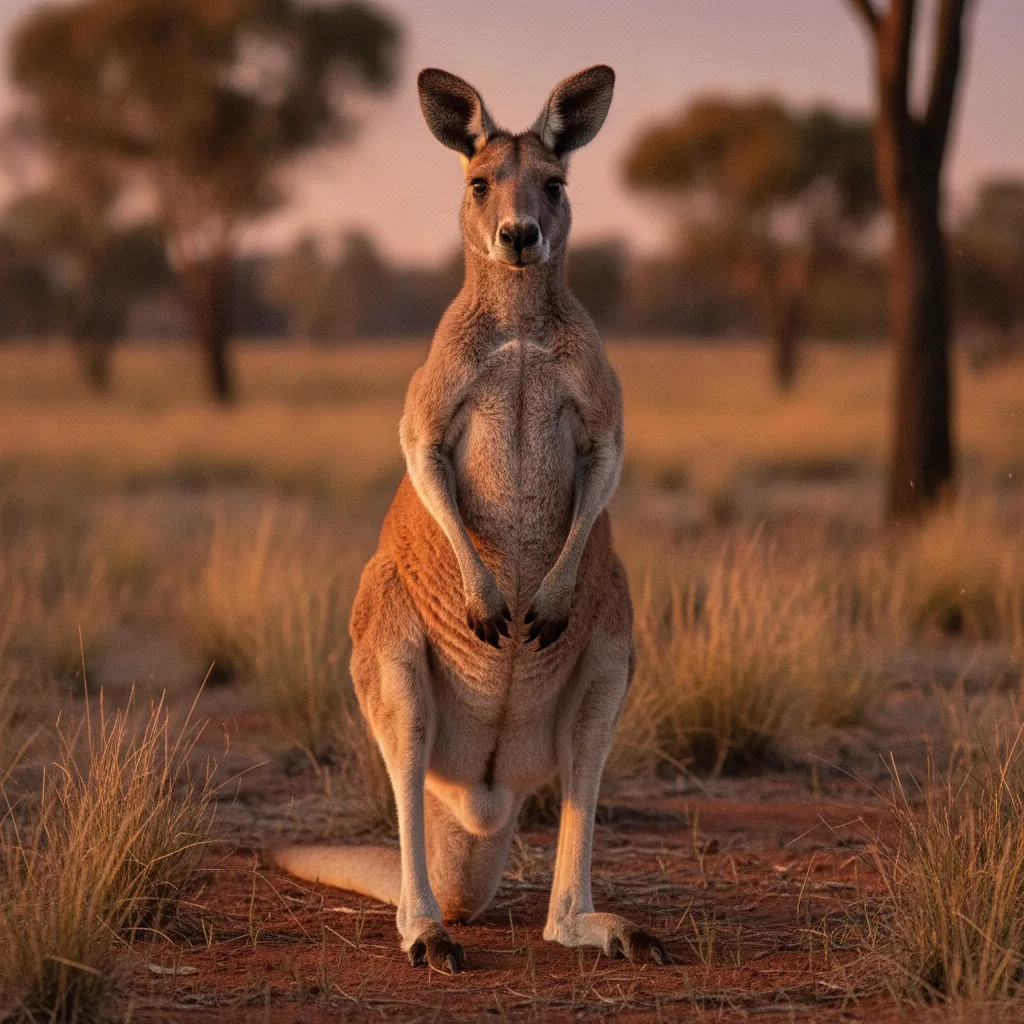
Kangaroo
Kangaroos are Australia's largest marsupials, and a big male red kangaroo can stand as tall as an adult human. Hopping is remarkably efficient: elastic tendons store energy with each bound…
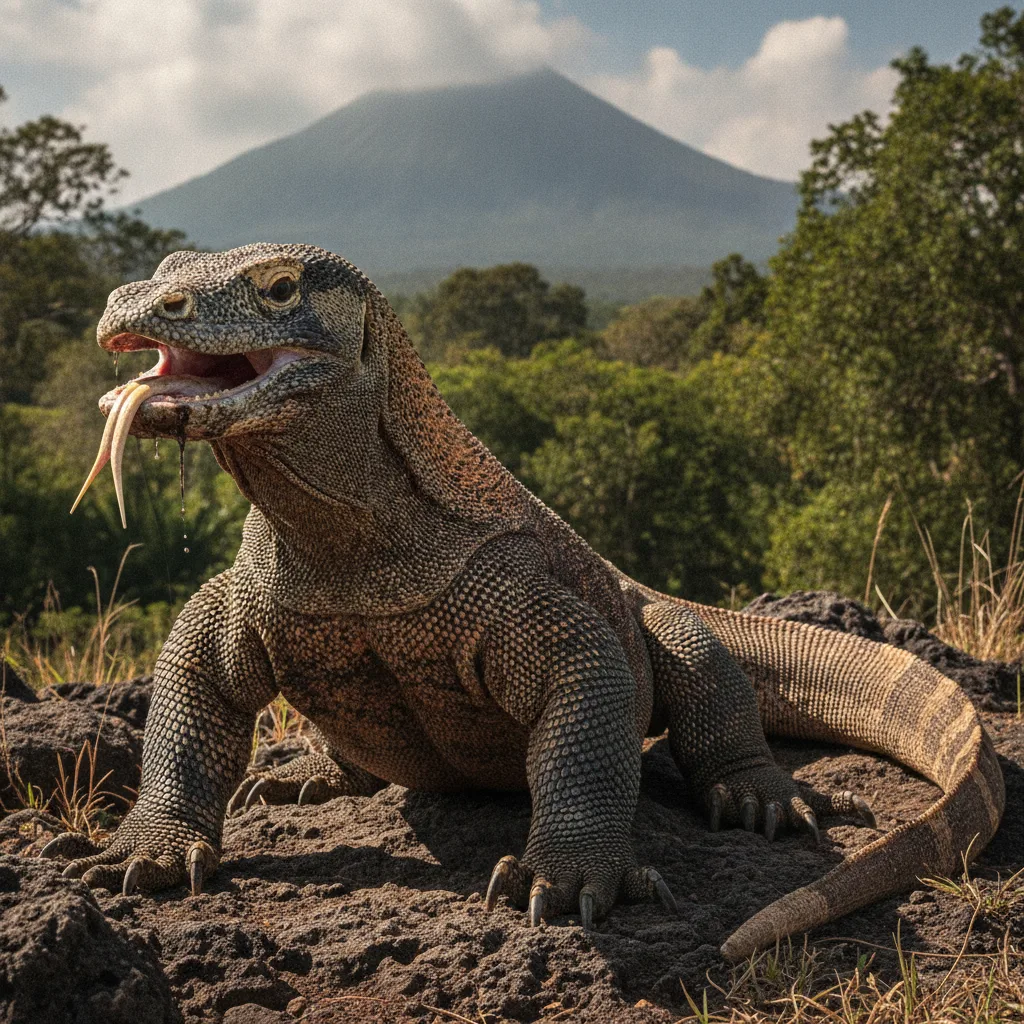
Komodo Dragon
The Komodo dragon is the world's largest lizard, reaching 3 metres and around 70 kilograms, and it lives only on Komodo, Rinca, Flores and a few neighbouring Indonesian islands. It…
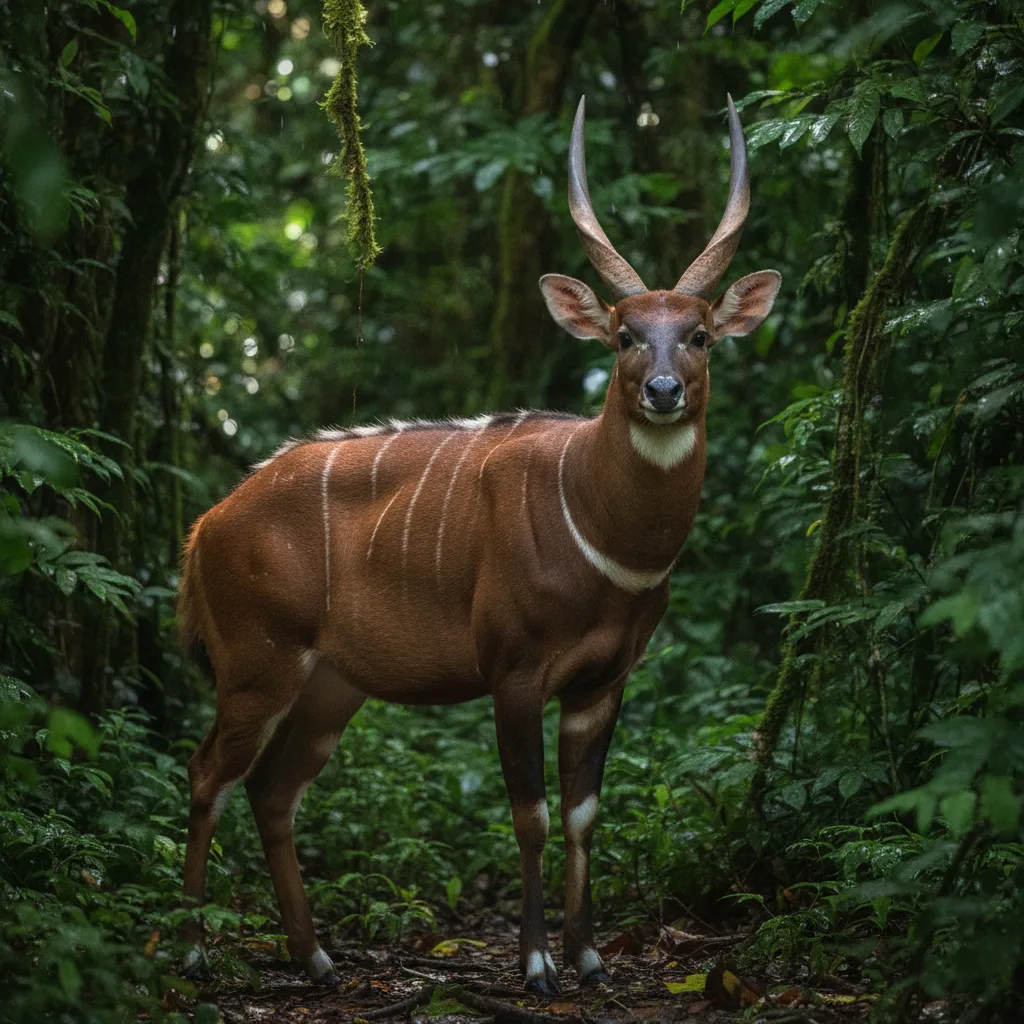
Saola
The saola lives in the wet evergreen forests of the Annamite Mountains along the Laos–Vietnam border and was unknown to science until 1992, when its horns were found in a…
Platypus
One of only five living mammals that lay eggs, the platypus inhabits the rivers and streams of eastern Australia and Tasmania. It hunts with its eyes, ears and nostrils closed…