Wolf, fox and wild dog facts for kids: 5 canids to research
Wolves, foxes and wild dogs belong to the family Canidae, about 35 species of long-legged hunters found on every continent except Antarctica. They run on their toes, track prey by smell with noses many thousands of times more sensitive than ours, and most live in family groups. Grey wolves hunt in packs that can bring down a bison; African wild dogs are even more successful hunters, with a higher share of chases ending in a kill than lions manage, and the whole pack feeds the pups. Foxes go the other way, hunting alone for mice, rabbits and insects: the red fox has the widest range of any wild carnivore, and the arctic fox's coat turns from brown to white for winter. Domestic dogs are wolves that people began living with at least 15,000 years ago, and every breed from chihuahua to great dane is still one species. African wild dogs are Endangered, with around 6,600 left.
Research pages
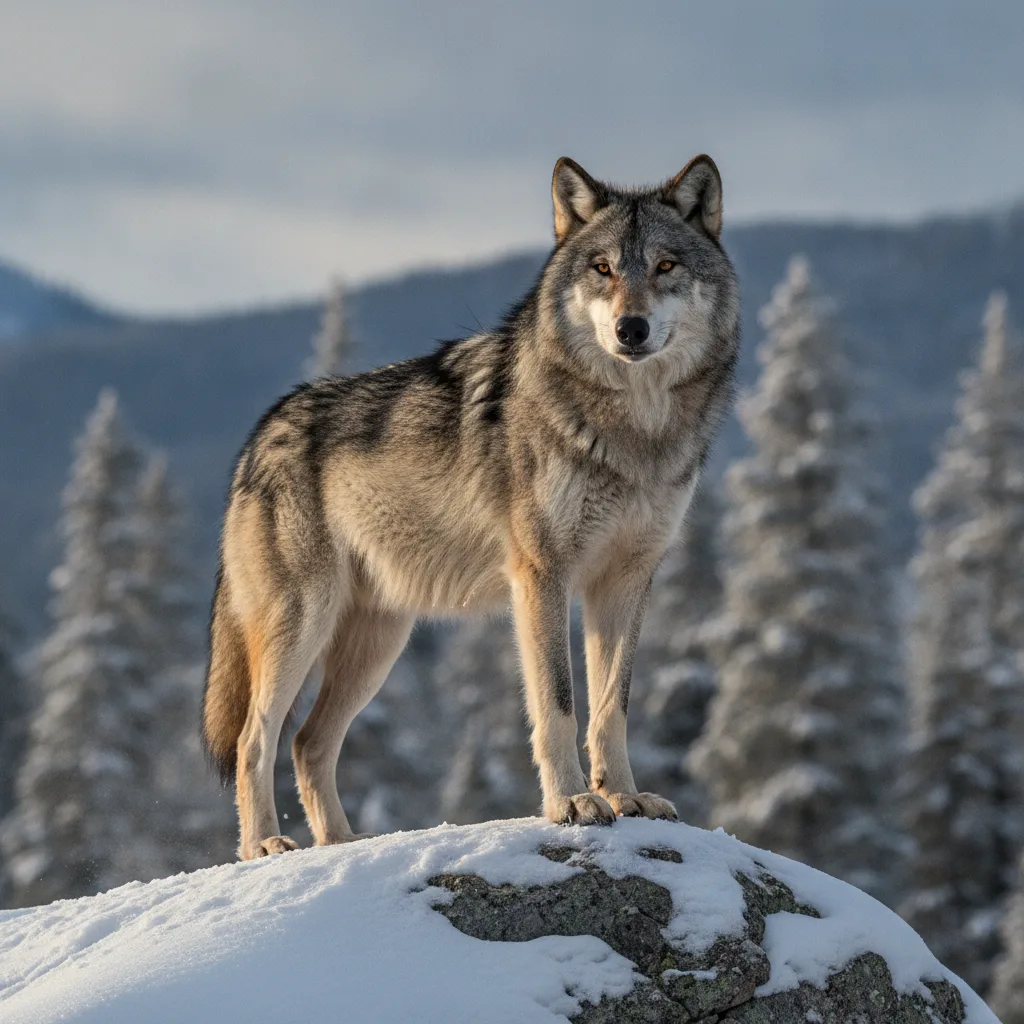
Wolf
Grey wolves once ranged across most of the Northern Hemisphere and still occupy tundra, forest and mountain country from Alaska to Mongolia. A pack is usually a family — a…
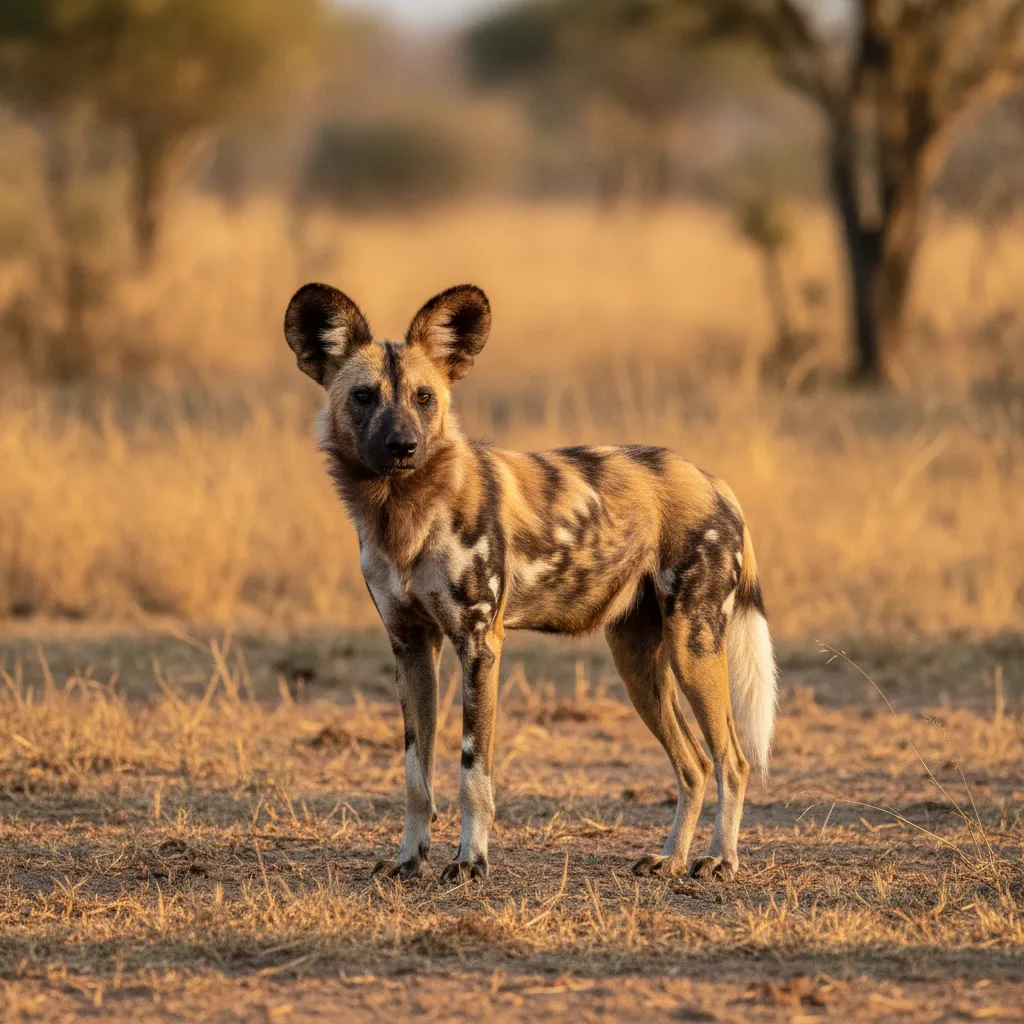
African Wild Dog
African wild dogs live in packs across the savannas and woodlands of sub-Saharan Africa, each animal marked with its own blotched coat of black, tan and white. They are among…
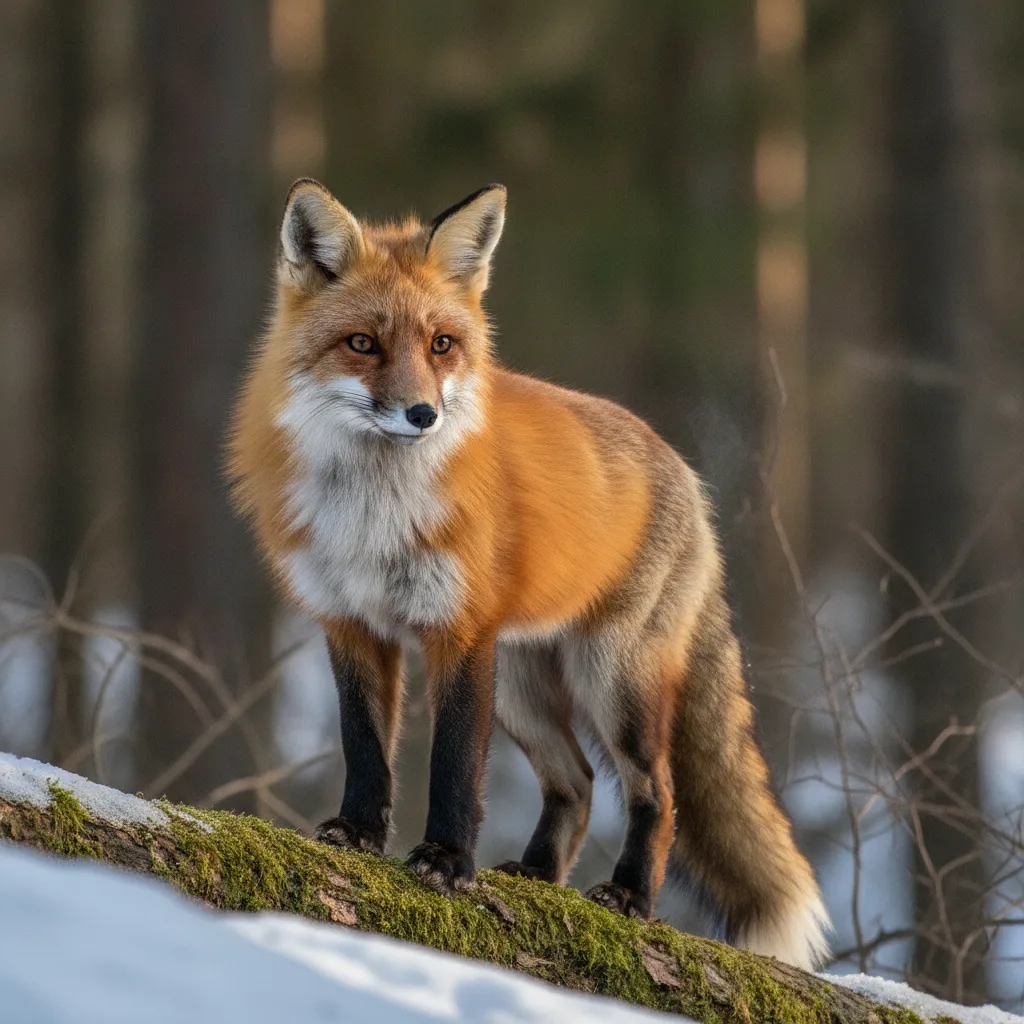
Red Fox
The red fox has the widest natural range of any land carnivore, spanning the Northern Hemisphere from Arctic tundra to North Africa and, following introduction, Australia. It hunts small rodents…
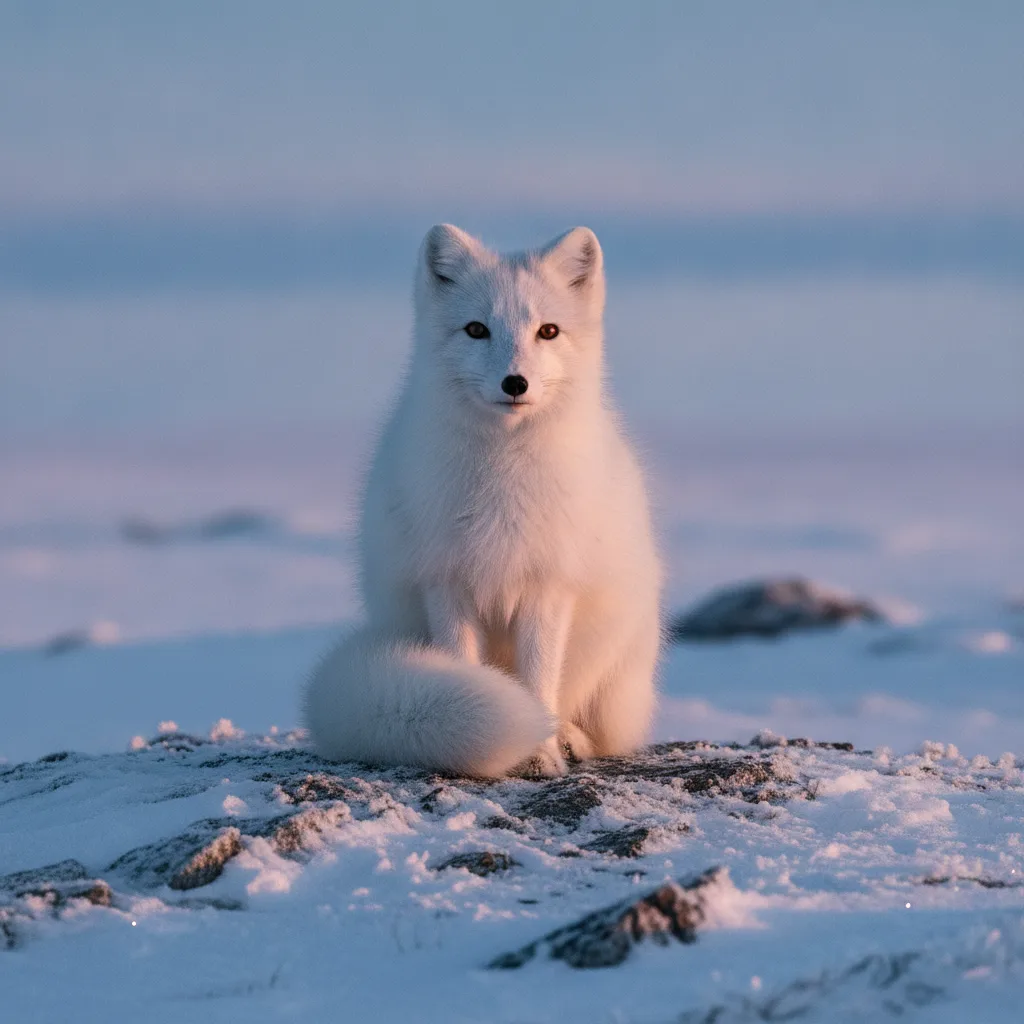
Arctic Fox
Arctic foxes live on the tundra and sea ice of the circumpolar north, where a dense winter coat lets them stay active at temperatures below −40 °C. Their fur changes…
Dog
Domestic dogs descend from grey wolves and were domesticated at least 15,000 years ago, making them the first animal humans tamed. Selective breeding has produced more than 300 recognised breeds…